Can You Cut Steel With Power Tools?
Imagine standing in your garage, staring at a stubborn piece of steel that needs cutting. You wonder if your trusty power tools can handle the job.
You're not alone in this predicament. Many DIY enthusiasts and professionals alike face this challenge. Steel is tough, durable, and often feels like an unyielding adversary. But here's the twist: with the right tools and techniques, cutting through steel can be as satisfying as slicing through butter.
You might be asking yourself, "Is it really possible? " The short answer is yes, but there's more to it. The secrets lie in knowing which power tools to choose and how to use them effectively. By understanding these techniques, you can transform your approach and achieve precise cuts, saving time and effort. Imagine the possibilities when you can confidently tackle any steel cutting project. Keep reading, and unlock the secrets to mastering this skill that can elevate your DIY projects to a whole new level.
Types Of Steel
Understanding the types of steel is crucial when it comes to working with power tools. Steel can vary in composition, affecting how easily it can be cut. Knowing the differences can save you time and effort.
Carbon Steel
Carbon steel is one of the most common types you might encounter. It's known for its strength and durability. However, its hardness can be a challenge when cutting with power tools.
Have you ever tried cutting through a carbon steel pipe with a basic saw? You might find it takes more effort than you expected. A power tool with a strong blade can make this job easier.
Remember to check the carbon content in the steel you're working with. Higher carbon means tougher material, requiring more robust tools.
Alloy Steel
Alloy steel contains different elements such as nickel or chromium. These elements give it unique properties, such as increased toughness or corrosion resistance.
If you're cutting alloy steel, consider the specific alloy you're dealing with. Some alloys cut easily, while others may wear down your tools quickly.
Are you using the right blade for the specific alloy? Choosing the correct blade can prevent unnecessary wear and increase efficiency.
Stainless Steel
Stainless steel is prized for its rust resistance. It's often used in environments where moisture is present.
Despite its benefits, stainless steel can be tricky to cut. Its tough surface can dull blades faster than other types of steel.
Think about investing in high-quality, durable blades if you frequently cut stainless steel. Would you prefer to change blades often or invest in one that lasts longer?
In your work with steel, understanding these types can make a significant difference. Consider which type you're dealing with before starting any project. This awareness can lead to better results and less frustration.
Choosing The Right Power Tool
Cutting steel requires more than just brute strength; it demands precision and the right tool for the job. Selecting the ideal power tool can make the difference between a clean cut and a frustrating experience. You might wonder, which power tool will suit your needs best? Dive into the options below to find your answer.
Angle Grinder
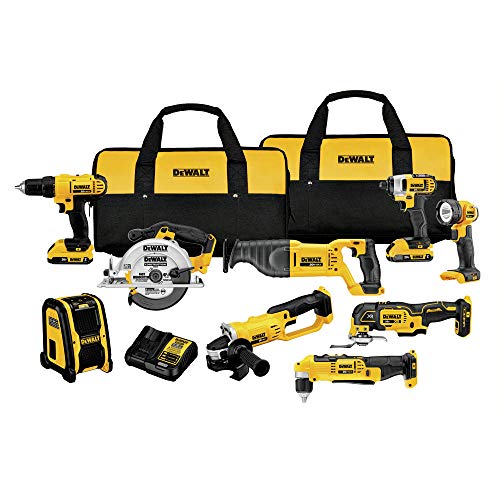
An angle grinder is a versatile tool that can easily handle cutting steel. With its rotating disc, you can achieve precise cuts. Make sure to choose a disc specifically designed for metal. The compact size of an angle grinder makes it perfect for tight spaces.
Have you ever struggled with cutting steel pipes in awkward positions? An angle grinder might just be your best friend. Keep safety goggles on and maintain a firm grip to ensure safety.
Circular Saw
A circular saw is another fantastic choice for cutting steel, especially for straight lines. Equipped with the right blade, it can slice through steel sheets effortlessly. The power of the saw ensures clean and smooth edges.
Consider the depth of your cut. Is it deeper than typical steel thickness? Adjust the blade accordingly. Circular saws are great for larger projects where precision is key.
Band Saw
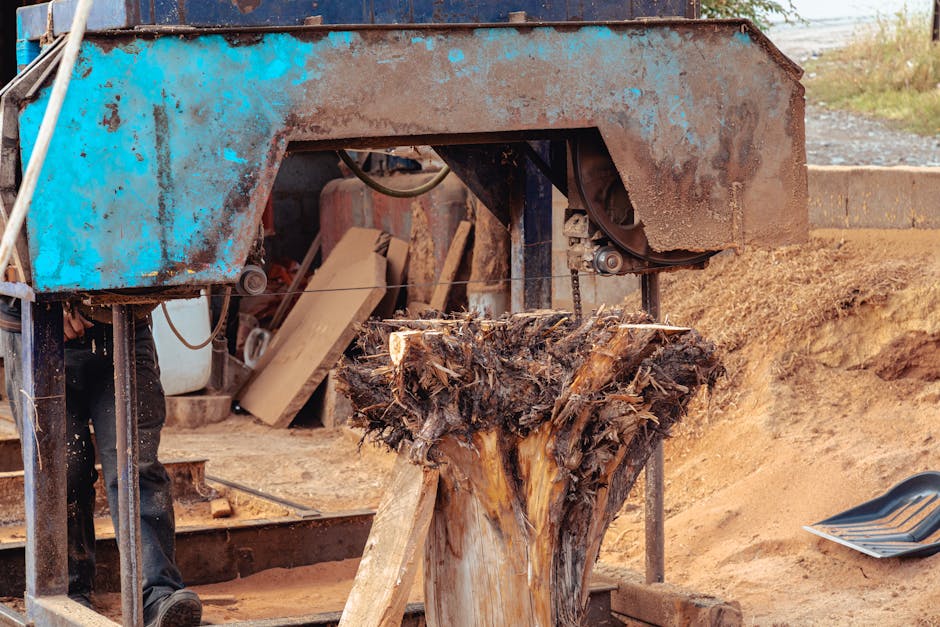
If you’re dealing with thicker steel or require curved cuts, a band saw might be the tool you need. Its continuous blade can tackle complex shapes. This tool is ideal for detailed work, offering greater control.
Do you need to cut intricate patterns or thicker materials? A band saw can manage those challenges with ease. Remember to adjust the blade speed to suit the material's thickness.
Choosing the right power tool is about understanding your project's needs. Think about the type of cut, the material thickness, and the working environment. Your choice can greatly impact the efficiency and safety of your steel cutting endeavors. Which tool aligns best with your next project? Let these insights guide you to make a confident decision.
Blade Selection For Steel Cutting
Choosing the right blade is crucial for cutting steel with power tools. The wrong blade can damage your tool or provide poor results. Understanding various blade features ensures efficient steel cutting. Consider material compatibility, tooth count, and blade durability. These factors help you select a blade that suits your needs.
Material Compatibility
Steel cutting demands blades made specifically for metal. These blades resist heat and maintain sharpness. Ensure your blade is marked for metal use. Carbon-tipped blades work well for mild steel. Tungsten carbide blades suit harder steel types. Always check the blade's compatibility with the steel type.
Tooth Count
Blades with more teeth produce finer cuts. Higher tooth counts mean smoother finishes. For thicker steel, opt for fewer teeth. This allows faster cutting and less clogging. Ensure the tooth count matches your steel thickness. A mismatch can lead to blade wear or rough cuts.
Blade Durability
Durability is key for cutting steel. Steel is tough, requiring strong blades. Look for blades with reinforced edges. High-quality materials extend blade life. Consider the blade's resistance to heat. Durable blades maintain sharpness over time. This reduces the need for frequent replacements.
Safety Precautions
Cutting steel with power tools requires strict safety precautions. Wear protective gear like gloves and goggles. Ensure the tool's power is off before adjustments.
Cutting steel with power tools can be an exhilarating task, but it also demands a sharp focus on safety. You want to ensure that you're not just getting the job done but doing it without risking injury. Proper safety precautions are essential to navigate the challenges of sparks, noise, and flying debris. A well-prepared workspace and the right protective gear can make all the difference in your cutting experience.
Protective Gear
When you're about to cut steel, think of your gear as your best friend. A sturdy pair of safety goggles is crucial to shield your eyes from any flying fragments. Don't forget ear protection; power tools can be surprisingly loud, and prolonged exposure can harm your hearing. Consider wearing a dust mask to protect your lungs from fine metal particles. Heavy-duty gloves will protect your hands from sharp edges and hot surfaces. Your attire should also be snug-fitting to avoid getting caught in the tools.
Workspace Safety
Where you choose to work can significantly impact your safety. Ensure your workspace is well-lit so you can clearly see your materials and tools. A clutter-free area minimizes the risk of tripping or knocking something over. Is your workspace ventilated? Steel cutting can produce harmful fumes, so fresh air circulation is a must. Also, keep a fire extinguisher within reach; you'll be dealing with sparks that can ignite flammable materials.
Handling Sparks And Debris
Sparks are inevitable when cutting steel, but how you manage them is up to you. Position your tools so that sparks fly away from you and any flammable objects. A simple repositioning can prevent potential hazards. Debris can also pose a risk. Small metal pieces can fly at high speeds, and you need to be ready. Use a protective screen or barrier to contain debris, keeping your surroundings safe. Have you ever thought about the aftermath of your task? Cleaning up the debris not only keeps your workspace tidy but also reduces the risk of injury from sharp remnants. Taking this step shows a commitment to safety that goes beyond the task at hand. By focusing on these safety precautions, you create an environment where you can work efficiently and safely. Remember, every step you take towards safety not only protects you but also enhances the quality of your work.
Cutting Techniques
Power tools can effectively cut steel using specific cutting techniques. Tools like angle grinders and circular saws are ideal for this task. Selecting the right blade ensures clean, accurate cuts.
Cutting steel with power tools can seem daunting, yet mastering a few techniques can make the task smoother and more efficient. Whether you're a seasoned metalworker or a DIY enthusiast, understanding the nuances of cutting techniques can save you time and extend the life of your tools. When I first started working with steel, maintaining precision and efficiency was a challenge. Over time, I learned that technique is crucial, not just power. So, what are the key techniques to keep in mind?
Maintaining Steady Pressure
Keeping a consistent pressure is essential. If you press too hard, you risk damaging both the tool and the metal. When I first tried cutting steel, I pressed too hard and broke a blade. It taught me to let the tool do the work. Light but steady pressure ensures a clean cut and prolongs the tool's life. Think about the pressure you apply. Are you letting the tool glide, or are you forcing it?
Cooling Methods
Heat can be the enemy when cutting steel. Without proper cooling, the metal can warp, and tools can wear out faster. Using cooling methods like water or cutting fluid can help manage the temperature. When I started using a simple spray bottle, my cutting efficiency improved noticeably. Do you notice your tools getting too hot? Try cooling them more frequently.
Avoiding Overheating
Overheating can lead to irreversible damage. Both the steel and the tool can suffer if temperatures rise too high. Pause frequently to allow the tool to cool down. This not only protects your equipment but also ensures a smoother finish on the steel. I learned this after a costly mistake with a burnt-out motor. Reflect on your cutting sessions. Are you taking enough breaks to let things cool down? By focusing on these techniques, you can achieve more precise cuts and extend the lifespan of your tools. What steps can you take today to improve your cutting technique?
Common Mistakes To Avoid
Cutting steel with power tools requires precision and care. Many make common mistakes, leading to poor results or safety issues. Being aware of these mistakes is crucial for effective cutting. It ensures your project goes smoothly and safely.
Incorrect Tool Usage
Using the wrong tool can damage steel and the tool itself. Choose the right type of saw or grinder for steel cutting. Each tool has specific features suited for different steel types. Read the tool's manual carefully before starting any project.
Ignoring Blade Wear
A worn blade struggles to cut steel efficiently. It increases the risk of accidents. Regularly check your blades for signs of wear. Replace blades as soon as they show dullness. A sharp blade ensures clean cuts and better control.
Neglecting Safety Measures
Safety gear protects you from debris and sharp edges. Wear gloves, goggles, and a mask while cutting steel. Ensure your workspace is tidy to avoid tripping hazards. Always unplug tools when changing blades or performing maintenance.
Maintenance Tips For Power Tools
Maintaining power tools ensures they work efficiently and safely. Proper care can extend their lifespan, reducing the need for replacements. Here's how to keep your tools in top condition.
Regular Cleaning
Dust and debris can affect a tool's performance. Clean the exterior with a soft brush or cloth. Use compressed air to remove particles from vents and crevices. Wipe down handles and cords to prevent grime buildup.
Blade Sharpening
Sharp blades cut steel efficiently. Dull blades can damage materials and strain motors. Regular sharpening improves accuracy and reduces wear. Use a sharpening stone or specialized tool for best results.
Tool Storage
Proper storage prevents damage and rust. Store tools in a dry, cool place. Use cases or racks to organize them neatly. Avoid damp areas to prevent corrosion on metal parts.
Frequently Asked Questions
Can You Cut Steel With A Jigsaw?
Yes, a jigsaw can cut steel, but with limitations. Use a high-quality bi-metal or carbide blade. Ensure the jigsaw has a variable speed setting. Cutting thicker steel might require more powerful tools. Always wear safety gear and secure the steel properly before cutting.
What Type Of Blade Cuts Steel?
To cut steel, use a bi-metal or carbide-tipped blade. These blades are designed for cutting metal efficiently. They offer durability and precision. Always check the blade's teeth per inch (TPI) for the specific thickness of the steel you're cutting. Proper blade selection ensures clean and safe cuts.
Is It Safe To Cut Steel At Home?
Yes, cutting steel at home is safe with proper precautions. Always wear safety glasses, gloves, and protective clothing. Ensure your power tools are in good condition. Secure the steel properly to avoid movement. Follow the manufacturer's instructions for your tools and blades to ensure safety.
Can An Angle Grinder Cut Steel?
An angle grinder can effectively cut steel. Use a metal-cutting disc specifically designed for steel. Ensure the grinder has a sufficient power rating. Maintain a steady hand for a clean cut. Always wear safety gear, including goggles and gloves, to protect against sparks and debris.
Conclusion
Power tools can indeed cut steel. They offer various options for different needs. Always consider the tool's power and blade type. Safety should be a top priority. Use protective gear and follow instructions. Choose the right tool for your specific task.
Angle grinders, circular saws, and reciprocating saws work well. They each have their strengths. Understand their capabilities for best results. Cutting steel requires practice and caution. With patience, you can achieve precise cuts. Always keep safety in mind. Correct tool choice and proper technique make all the difference.
Steel cutting with power tools is possible and effective.