Can You Plug Power Tools to A.Power.Strip?
Imagine this: you're in the middle of a home improvement project, adrenaline pumping as you transform your space. Your power tools are scattered around, ready for action.
But then, a question pops into your mind – can you plug these power tools into a power strip? This seemingly simple decision can impact not just the efficiency of your work but also the safety of your home. We'll unravel the mystery and provide clear answers.
You'll discover the dos and don'ts of using power strips with your tools, ensuring your projects run smoothly and safely. So, before you plug in and power up, let's dive into what you need to know.
Power Strips And Their Uses
Plugging power tools into a power strip can be risky. Power strips may not handle high current loads. Always check the power rating before connecting tools. Ensure safety by using appropriate outlets designed for heavy-duty devices.
Power strips are everywhere. They're those handy devices that let you power multiple gadgets from a single wall outlet. But how much do you really know about their uses and limitations? You might think they’re just for charging your phone or laptop, but they’re capable of so much more. However, when it comes to power tools, you need to tread carefully.
Common Applications
Power strips are lifesavers in homes and offices. They allow you to power up multiple devices without needing extra outlets. Think about your computer desk. You likely have a computer, monitor, lamp, and maybe even a phone charger, all plugged into one power strip. In the kitchen, they can handle your coffee maker and toaster. They streamline your electronic needs without cluttering your space. They’re also great for entertainment systems. Imagine plugging your TV, game console, and sound system into a single strip.
Limitations Of Power Strips
Not all power strips are created equal. They have limits you need to be aware of. Overloading a strip can cause it to overheat, leading to potential fire hazards. Always check the strip's power rating before plugging in high-power devices. Power tools, for example, draw a lot of electricity. Using them with a basic power strip can be risky. You don't want to trip the circuit breaker or damage your tools. It's crucial to know whether your power strip can handle such loads. Consider this: Have you ever noticed flickering lights or a power strip that gets too warm? That's a sign you're pushing it too hard. Always be cautious and check if your strip has a surge protector or is designed for heavy-duty use. Understanding the capabilities and limitations of power strips can save you from unwanted surprises. Next time you’re about to plug in that power drill, pause and think about your power strip’s capacity. Your tools—and your safety—depend on it.
Power Tools And Electricity Demand
Power tools make home projects easier. They need electricity to work. Understanding this demand is important for safety. Plugging them into a power strip can be risky. Power tools draw a lot of power. This can overload the strip. It's crucial to know their electricity needs.
Understanding Wattage Requirements
Every power tool has a wattage rating. This tells you how much power it uses. Check the tool's label or manual. Compare this with the power strip's limit. A power strip often can't handle high wattage. Overloading can trip the circuit breaker. This may cause damage or hazards.
Peak Usage And Safety Concerns
Power tools don't use the same wattage all the time. They consume more at startup. This peak usage can spike electricity demand. A power strip may not handle these spikes. This increases the risk of overheating. It can lead to fire or equipment failure.
Always consider the power strip's safety limits. Use heavy-duty extension cords for high-demand tools. This ensures a safer operation. Proper usage prevents hazards in your workspace.
Safety Considerations
When considering whether to plug power tools into a power strip, safety should be your top priority. Power strips can be incredibly convenient, but they also come with risks if not used properly. This section will guide you through some crucial safety considerations to keep in mind.
Risk Of Overloading
Power strips are designed to handle a specific amount of electrical load. Plugging in multiple power tools can easily exceed this limit. Picture yourself in your workshop, ready to tackle a project, only to find the power strip has tripped. This is more than an inconvenience—it could be a sign of overloading. Always check the power strip’s rating and compare it to the total wattage of the tools you're using. It's like knowing how much weight your car can carry before loading it for a road trip. It keeps everything running smoothly and safely.
Fire Hazard Prevention
Overloaded power strips can heat up and potentially cause fires. Imagine the horror of smelling smoke when you’re in the middle of a DIY project. To prevent this, avoid using power strips for high-wattage tools like saws and drills. These tools are best plugged directly into a wall outlet. Think of power strips as a temporary solution, not a permanent fixture. Keep an eye on any signs of wear or damage to the strip, as these can be precursors to bigger issues.
Proper Ventilation
Ensure your power strip is in a well-ventilated area. You might not realize it, but power strips generate heat when in use. In a cramped or enclosed space, this heat can accumulate. It’s akin to leaving a laptop running on a bed—heat builds up, and performance suffers. Keep your power strip away from flammable materials and ensure there’s space around it for air to circulate. It’s a simple step, but it can make a big difference in preventing accidents.
Have you ever experienced a power strip failure while using your tools? Safety isn't just about following rules—it's about protecting your space and your peace of mind. Take these precautions and you'll be able to focus on the task at hand without worry.
Choosing The Right Power Strip
Plugging power tools into a power strip requires caution. Ensure the strip can handle high wattage. Choose one with surge protection for safety.
Choosing the right power strip is crucial when you're planning to plug in power tools. Not all power strips are created equal, and picking the wrong one could lead to safety hazards or damage to your equipment. You'll want to ensure that the power strip you choose can handle the load and provide necessary protection for your valuable tools. So, how do you make the right choice?
Evaluating Capacity
First, check the power strip's capacity. Every power strip has a maximum load it can handle, usually measured in watts or amps. Calculate the total wattage of all the tools you plan to plug in. Are you using a drill and a saw simultaneously? Add up their wattage. Ensure the power strip's capacity exceeds this number. Trust me, I once underestimated this and ended up tripping my circuit—an inconvenience you can easily avoid.
Features To Look For
Look for power strips with individual switches for each outlet. This feature allows you to control the power flow to each device independently. LED indicator lights are another handy feature, alerting you to potential issues like overloads. Consider whether you need extra-long cords for greater flexibility in positioning.
Surge Protection Importance
Don't underestimate the importance of surge protection. Power surges can occur at any time, especially during storms, potentially frying your expensive tools. A power strip with built-in surge protection will shield your devices from these sudden spikes. Think of it as a small investment to save you from costly repairs or replacements. Have you ever had a tool suddenly stop working? It might have been a power surge. Protect against it now. Choosing the right power strip is more than just picking the first one you see. It's about ensuring safety, functionality, and peace of mind. Have you checked your current power strip to see if it measures up?
Alternatives To Power Strips
Plugging power tools into a power strip can pose risks. Overloading can lead to tripped circuits or even fires. There are safer alternatives to consider. These options provide reliable power for your tools without the hazards of a power strip.
Direct Wall Outlets
Direct wall outlets offer a stable power source. They can handle higher loads than power strips. Plugging tools directly into the wall reduces the risk of overloading. This method ensures consistent power for your tools. It's a simple yet effective alternative for safer tool operation.
Dedicated Circuits
Dedicated circuits provide power solely for your tools. They prevent overloading by isolating the power supply. This setup is ideal for workshops with high-demand tools. Dedicated circuits enhance safety and efficiency. Installing them requires professional help but offers long-term benefits.
Portable Generators
Portable generators are perfect for remote work sites. They supply electricity where outlets are unavailable. Generators ensure tools run smoothly without interruption. They come in various sizes to meet different power needs. While portable, they offer reliable power for any tool.
Safety Practices When Using Power Tools
Using power tools can be risky if not handled with care. Following safety practices ensures a safe working environment. Simple actions can prevent accidents and damage. Let's explore essential safety measures for using power tools.
Regular Inspection
Check your power tools before each use. Look for frayed wires and loose parts. Ensure there are no visible damages. Regular inspection helps identify potential hazards early. Address issues promptly to maintain safety.
Proper Storage
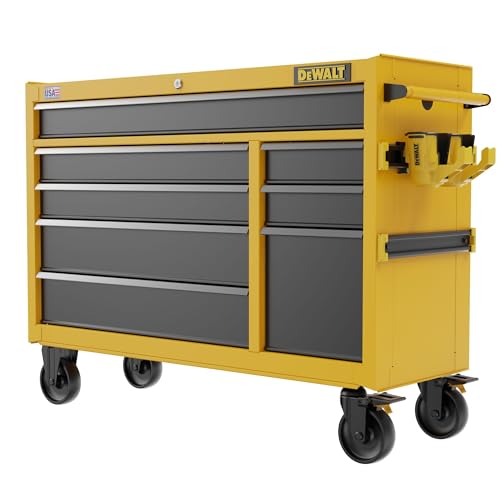
Store power tools in a dry, clean place. Keep them away from moisture to prevent rust. Use shelves or cabinets for neat organization. Proper storage extends the life of your tools. It also reduces the risk of accidental injuries.
Using Personal Protective Equipment
Wear protective gear while using power tools. Goggles protect your eyes from flying debris. Gloves shield your hands from sharp objects. Earmuffs can reduce noise exposure. Personal protective equipment keeps you safe and secure.
Frequently Asked Questions
Can Power Tools Overload A Power Strip?
Power tools can potentially overload a power strip if the strip's capacity is exceeded. Ensure the strip's wattage rating matches the tool's requirements. Use heavy-duty power strips designed for high-demand devices to prevent electrical hazards. Always check the power strip's specifications before plugging in multiple tools.
Is It Safe To Use Power Strips With Tools?
Using power strips with power tools is safe if precautions are taken. Choose a power strip with surge protection and suitable amperage capacity. Avoid overloading by calculating total wattage requirements. Regularly inspect for signs of damage, and replace faulty strips immediately to ensure safety during use.
What Type Of Power Strip Is Best For Tools?
The best power strip for power tools is one with high amperage capacity and surge protection. Heavy-duty strips designed for industrial use are ideal. Look for strips with durable construction and a long cord for flexibility. Ensure the strip's wattage rating accommodates your tool's power needs.
Can Power Strips Prevent Tool Damage?
Power strips with surge protection can help prevent damage to power tools. They shield tools from voltage spikes and electrical surges. Choose strips with built-in circuit breakers for added safety. Regularly inspect and maintain your power strip to ensure your tools remain protected during use.
Conclusion
Plugging power tools into a power strip can be safe. Always check the power strip's capacity first. Overloading can cause electrical issues or fires. Ensure the power strip is grounded. This helps prevent accidents. Using a dedicated circuit is best for heavy tools.
It reduces the risk of tripping a breaker. Regularly inspect cords and plugs for damage. Safety is a priority in any workspace. With proper precautions, power tools and strips can work together safely. Always prioritize safety and efficiency in your work area.