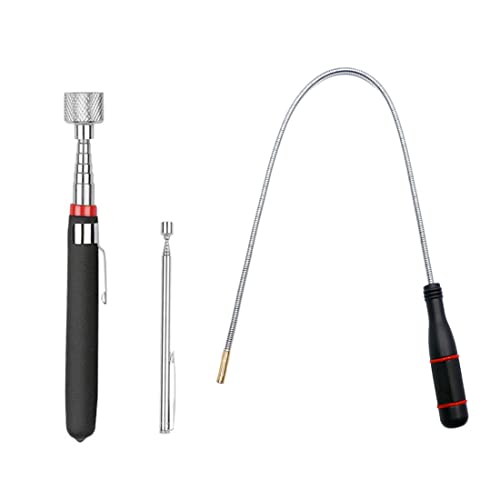
When you start a project, whether it’s fixing a leaky faucet or building a bookshelf, using hand and power tools safely should be your top priority. Imagine the satisfaction of completing your DIY task without a hitch.
Now, picture the frustration and setbacks that come with an injury or a damaged tool. Understanding how to handle these tools properly can be the difference between success and stress. You might be eager to get started, but rushing in without the right knowledge can lead to costly mistakes.
Have you ever wondered how professionals make it look so easy? The secret lies in mastering safe practices. This guide will equip you with straightforward tips and tricks to ensure you stay safe while working efficiently. Ready to transform your approach and work with confidence? Let’s dive in and explore how you can harness the power of tools without compromising your safety.
Tool Selection And Maintenance
Choose the right tool for each task to avoid accidents. Keep tools clean and in good condition for safety. Wear protective gear and follow instructions to use tools properly.
When working with hand and power tools, safety is your top priority. Choosing the right tool and maintaining it properly can make a world of difference in your safety and the quality of your work. Neglecting these aspects can lead to accidents and costly repairs. So, let's dive into how you can select and maintain your tools to ensure they serve you well.
Choosing The Right Tool
Selecting the correct tool for the job is crucial. Picture yourself trying to drive a nail with a screwdriver. Not only is it inefficient, but it also poses a risk to your safety. Always match the tool to the task at hand. Consider the tool's size, power, and purpose. If you’re cutting through thick wood, a hand saw might not cut it—literally! Instead, opt for a power saw designed for heavy-duty tasks. Think about ergonomics too. A tool that feels comfortable will reduce fatigue and prevent injury. Ensure the handle fits well in your hand and the weight is manageable.
Regular Maintenance Practices
Like any other equipment, tools need regular maintenance to perform their best. Imagine a car running without an oil change; it won't last long. The same goes for your tools. Start with keeping them clean. After each use, wipe your tools with a clean cloth to remove dust and debris. This simple act prolongs their lifespan. Inspect your tools frequently. Look for signs of wear and tear, like frayed cords or loose screws. Address these issues immediately to avoid bigger problems down the road. Sharpen blades and bits regularly. A dull blade requires more force, increasing the risk of accidents. A sharp tool is a safe tool. Store tools in a dry, organized space. Moisture can lead to rust, and clutter can lead to accidents. Engage with your tools and learn their quirks. This builds a better relationship and helps you notice when something’s off. Have you ever had a tool fail on you mid-project? It’s frustrating and dangerous. Keeping up with maintenance can prevent these unexpected setbacks. How do you decide which tool to use, and what maintenance tips have saved you time and trouble? Share your experiences in the comments.
Personal Protective Equipment
Working with hand and power tools requires caution. Personal protective equipment (PPE) is essential. It shields you from potential harm. PPE acts as a barrier between you and hazards. Using the right gear can prevent injuries. Let's explore its importance and types.
Importance Of Safety Gear
Safety gear reduces the risk of accidents. It protects you from flying debris, sparks, and loud noises. Without it, injuries can occur easily. Wearing safety gear is not just a suggestion. It's a necessity for safe tool use. It helps maintain your well-being and peace of mind.
Ignoring safety gear can lead to serious harm. This can include cuts, burns, or hearing loss. Proper gear is a simple way to stay safe. It ensures you can work without fear. Choose safety gear as your first line of defense.
Types Of Protective Equipment
Several types of protective equipment exist. Each serves a unique purpose. Safety goggles protect your eyes from flying particles. Earplugs or earmuffs shield your ears from loud noises. Gloves guard your hands against cuts and abrasions.
Hard hats protect your head from falling objects. Steel-toed boots shield your feet from heavy tools. Dust masks prevent inhalation of harmful particles. Each piece of gear plays a crucial role. Select the right equipment for your task.
Ensure your gear fits well. Ill-fitting gear can be less effective. Regularly inspect your equipment for damage. Replace worn or damaged items promptly. This ensures maximum protection at all times.
Proper Handling Techniques
Understanding proper handling techniques is crucial for tool safety. Mishandling tools can lead to serious injuries. Learning the right way to handle tools keeps you safe. It also ensures efficiency in your tasks.
Safe Gripping Methods
Always use a firm and comfortable grip on tools. Your grip should be secure, not too tight. Loose grips can cause accidents. Ensure your hands are dry and clean. Wet hands can slip easily.
Choose tools with handles that fit your hand size. Oversized handles are hard to control. Small handles can cause strain. Ergonomic handles help reduce hand fatigue.
Correct Posture And Positioning
Maintaining correct posture prevents strain and injury. Stand straight with feet shoulder-width apart. This gives you balance and stability. Avoid awkward positions that can cause back pain.
Keep tools at waist level whenever possible. This reduces arm strain. Always face your work directly. Twisting your body can lead to muscle strain.
Adjust your workstation to a comfortable height. This prevents unnecessary bending. Proper posture ensures more control over your tools.
Understanding Tool Functions
Grasping tool functions ensures safety when using hand and power tools. Always follow instructions and wear protective gear. Understand each tool's purpose to prevent accidents.
Understanding how hand and power tools function is crucial for ensuring safety. Whether you're a DIY enthusiast or a professional, grasping the operations and limitations of these tools can prevent accidents and enhance efficiency. Imagine holding a tool confidently, knowing exactly what it's capable of, and using it to its fullest potential without compromising safety. Let's delve into the basics of tool operations and recognize their limitations to keep your projects running smoothly.
Basic Tool Operations
Before you start using any tool, take a moment to familiarize yourself with its basic functions. Read the user manual, if available. This will give you a clear understanding of how the tool works. Each tool has specific features designed for particular tasks. Knowing these will save you time and effort. A drill, for instance, is not just for making holes; with the right bit, it can also drive screws. Pay attention to the safety features, such as guards or switches. These are there for your protection. Make sure they are functioning properly before you use the tool.
Recognizing Limitations
Every tool has its limits. Understanding these boundaries is vital to prevent misuse and accidents. For example, a hand saw is great for small cuts but trying to cut thick hardwood can be risky and inefficient. Consider the material and size of your project. This will help you choose the right tool and prevent unnecessary strain on the equipment. Think about your own skill level. Are you equipped to handle the tool safely? Sometimes, it's better to ask for help or opt for a simpler tool rather than risking injury. What experiences have you had where knowing a tool's limitations saved you from trouble? Reflecting on past projects can offer valuable insights for future tasks. Embrace the learning process, and you'll find yourself more skilled and confident with each tool you use.
Work Area Safety
Ensuring work area safety is crucial when using hand and power tools. A well-organized and clean workspace reduces accidents. It promotes efficiency and focus. Let's dive into essential aspects of work area safety.
Organizing Your Workspace
An organized workspace is essential for safety. Arrange tools neatly for easy access. Store heavy tools at waist height. This prevents unnecessary strain. Use pegboards or toolboxes to keep tools in place. Label each tool's spot. This helps with quick identification. Ensure there's enough space to move around. Avoid overcrowding the area. Maintain clear pathways for safe movement.
Keeping The Area Clean
A clean work area is a safe work area. Remove debris and clutter regularly. Sweep floors to prevent slips and falls. Dispose of waste materials properly. Use bins to segregate different types of waste. Keep electrical cords untangled. This prevents tripping hazards. Clean spills immediately to avoid accidents. Ensure proper ventilation in the workspace. This reduces dust and fumes.
Electrical Safety Measures
Using hand and power tools safely is crucial to prevent accidents. Always wear protective gear like gloves and goggles. Keep tools clean and store them properly after use. Follow instructions carefully to ensure safe operation. Regularly check tools for damage before each use.
When you're working with hand and power tools, electrical safety is crucial. A sudden shock or mishap can lead to severe injuries or even fatalities. Understanding and implementing electrical safety measures can keep you safe and productive.
Handling Power Cords
Ensure that power cords are in good condition before using any tool. Frayed or damaged cords can lead to electric shocks. If you notice any wear and tear, replace the cord immediately. Avoid running cords through water or wet areas. Moisture increases the risk of electric shock, especially if the insulation is compromised. Use extension cords designed for outdoor use when necessary. Keep cords away from sharp edges and high-traffic areas. Tripping over a cord can lead to damage or injury. Secure cords with tape or cord covers to prevent accidents.
Using Ground Fault Circuit Interrupters
A Ground Fault Circuit Interrupter (GFCI) is a device that protects you from electrical shocks. It detects imbalances in electrical currents and shuts off the power immediately. Always use tools that are plugged into a GFCI outlet, especially in damp or wet conditions. Test your GFCI outlets regularly to ensure they're functioning properly. Press the "test" button, and if the "reset" button doesn't pop out, the GFCI is faulty. Replace it promptly to maintain your safety. Consider portable GFCI adapters for added safety. These can be a lifesaver, especially if you're working in older buildings without built-in GFCI outlets. Carry one in your toolbox for peace of mind. Have you ever underestimated the power of a simple safety measure? Taking the time to understand and use these tools can make all the difference in your safety and efficiency. Prioritize electrical safety—it’s a small step that can protect your life.
Emergency Procedures
Knowing how to use hand and power tools safely is crucial. But accidents can happen. Being prepared with emergency procedures is essential. Quick actions can save lives and prevent further harm. This section will guide you on what to do if an emergency arises while using tools.
Immediate Response Actions
First, stop the tool immediately. Turn off power tools to prevent more injuries. Assess the situation calmly. Check for injuries on yourself or others. If someone is hurt, provide first aid if trained. Use a first aid kit if available. Control bleeding with clean cloth or bandage. Keep the injured person still and calm. Avoid moving them unless necessary.
Contacting Emergency Services
If injuries are severe, call emergency services right away. Use a phone to dial the local emergency number. Clearly describe the situation to the operator. Provide the exact location of the incident. Stay on the line until help arrives. Follow any instructions given by the operator. Ensure someone waits outside to guide emergency personnel.
Training And Skill Development
Learn to use hand and power tools safely. Follow guidelines to prevent accidents and injuries. Prioritize personal protective gear and proper handling techniques.
Training and skill development are crucial when it comes to using hand and power tools safely. Many accidents occur due to a lack of proper training or understanding of the tools. Whether you're a DIY enthusiast or a professional, enhancing your skills can significantly reduce the risk of injury. So, let's delve into how you can improve your proficiency and ensure safe tool use.
Importance Of Skill Enhancement
Knowing how to use tools is not just about getting the job done—it's about doing it safely. Imagine trying to use a power drill without knowing how to handle its torque. It could easily slip and cause harm. Enhancing your skills helps you understand the nuances of each tool. This includes knowing the right tool for each task and how to maintain it properly. With improved skills, you can complete tasks more efficiently and with greater confidence. Have you ever wondered why seasoned professionals rarely make mistakes with their tools? It's because they have invested time in learning and refining their skills. This dedication to skill enhancement is a cornerstone of safe tool use.
Accessing Training Resources
Finding resources to improve your skills has never been easier. From online tutorials to community workshops, there's a wealth of information available at your fingertips. Consider enrolling in a local class or workshop. These settings offer hands-on experience with guidance from experts. You can ask questions and receive feedback in real time, which is invaluable. Online platforms are another excellent resource. Websites like YouTube and specialized forums offer a plethora of tutorials. These can be particularly useful if you prefer learning at your own pace. Have you tried reaching out to local hardware stores? Many offer free demonstrations or training sessions. These can provide you with practical insights and tips from seasoned professionals. The key is to remain curious and proactive. The more you learn, the safer and more effective you'll become with your tools. Remember, every expert was once a beginner who took the time to learn.
Frequently Asked Questions
How Do I Choose The Right Tool?
Selecting the right tool involves assessing the task requirements and tool features. Consider the material you're working with and the tool's power. Match the tool's capabilities with your skill level to ensure safety. Always prioritize tools with ergonomic designs and built-in safety features.
What Are The Basic Safety Measures For Tools?
Basic safety measures include wearing appropriate protective gear like gloves and goggles. Ensure the workspace is clean and organized to prevent accidents. Regularly inspect tools for damage and maintain them properly. Always follow the manufacturer's instructions and guidelines for safe use.
How Can I Prevent Tool-related Injuries?
Preventing tool-related injuries involves proper training and awareness. Always keep your tools in good condition and store them safely. Use tools only for their intended purpose and ensure you're familiar with their operation. Take breaks to avoid fatigue, which can lead to accidents.
Are Power Tools More Dangerous Than Hand Tools?
Power tools can be more dangerous due to their speed and power. However, hand tools can also cause injuries if misused. Both require proper handling and safety precautions. Understanding each tool’s operation and following safety guidelines reduces risks for both types of tools.
Conclusion
Safety matters with hand and power tools. Follow guidelines to avoid accidents. Wear protective gear like gloves and goggles. Keep tools in good shape. Inspect them before use. Read the manual carefully for each tool. Store tools in a safe place after use.
Teach others about safe practices. Share your knowledge with family and friends. Safety should always come first. Stay alert and focused during work. Never rush tasks, take your time. Remember, a safe work environment leads to better results. Happy and safe tool handling!