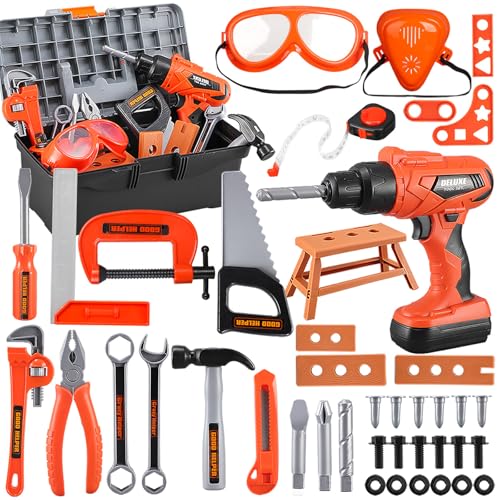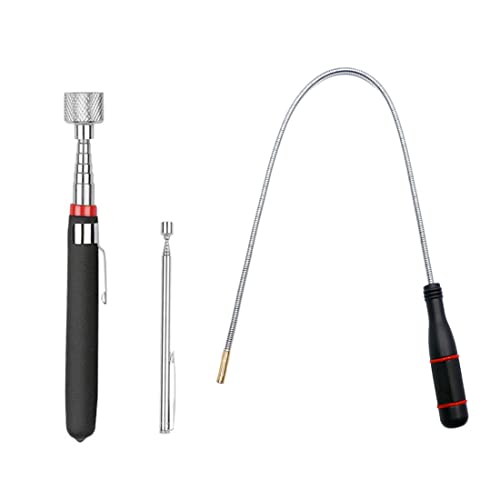
Imagine you're in your garage, ready to tackle your next DIY project. You reach for your toolkit, and there they are—your trusty electronic hand tools.
But have you ever stopped to think about how these tools are classified? Understanding the classification of electronic hand tools can not only make you a more informed user but also help you choose the right tool for the job.
Whether you're an experienced hobbyist or just starting out, knowing the different types and categories can enhance your efficiency and safety. Dive in, and discover how this knowledge can transform your projects from good to exceptional. By the end of this article, you’ll be equipped with insights that can save you time and effort. Ready to elevate your toolbox wisdom? Let’s explore together.
Power Tools
Electronic hand tools fall into various categories like drills, saws, and sanders. Each tool serves a unique purpose, enhancing efficiency in tasks. They simplify construction and repair work, making them essential for professionals and hobbyists alike.
Power tools have revolutionized the way we work with electronic hand tools. They bring efficiency and precision to tasks that would otherwise be time-consuming and exhausting. Whether you're a seasoned professional or a DIY enthusiast, understanding the types of power tools available can significantly enhance your work efficiency and outcome.
Corded Power Tools
Corded power tools are known for their consistent power supply. Plug them into an outlet, and you're ready to go without worrying about running out of battery. These tools are often more powerful than their cordless counterparts, making them ideal for heavy-duty tasks. If you've ever been in the middle of a project and had your tool die on you, you understand the value of a corded tool's uninterrupted performance. However, the cord can limit mobility. Picture yourself working on a large project where you need to move around freely. In such cases, managing the cord can be cumbersome, and finding a nearby outlet might be challenging.
Cordless Power Tools
Cordless power tools offer unmatched convenience and mobility. They allow you to work anywhere without being tethered to an outlet. These tools are perfect for quick jobs or when you need to move around a lot. Imagine fixing things around your house, from the attic to the basement, without dragging a cord behind you. However, they rely on battery power, which can run out unexpectedly. It's wise to keep spare batteries charged and ready. This way, you won't be left halfway through a task waiting for a battery to recharge. Which type of power tool do you find more suitable for your projects? Consider the nature of your work and the environment you typically operate in. Your choice can make a huge difference in your workflow and productivity.
Cutting Tools
Cutting tools are essential for various DIY and professional tasks. They help in shaping, trimming, and cutting materials with precision. Electronic hand tools offer efficiency and ease in cutting operations. They are designed to provide smooth and accurate cuts, enhancing productivity.
Saws
Saws are vital cutting tools in woodworking and construction. They come in various types, such as circular and jigsaw. Circular saws are popular for cutting large pieces of wood. They offer fast and accurate cuts with powerful blades. Jigsaws are versatile, perfect for intricate shapes. They can cut through wood, metal, and plastic with ease. Both types are portable and easy to handle, making them ideal for DIY projects.
Drills
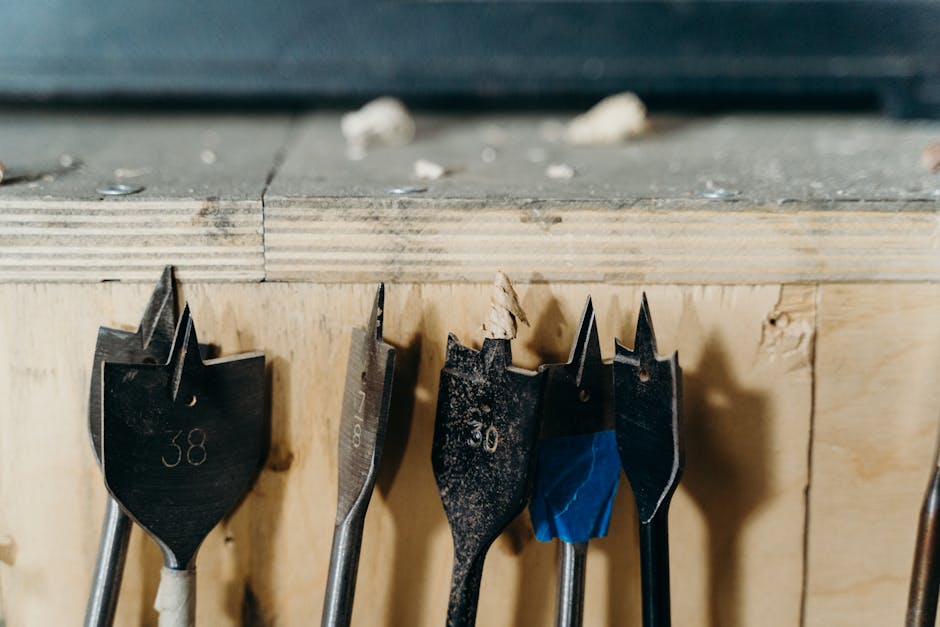
Drills are not only for making holes. They are effective cutting tools too. With the right attachments, drills can cut through metal, wood, and plastic. Hole saw attachments allow for drilling large holes. They are perfect for plumbing or electrical installations. Rotary cutting attachments can trim and shape materials. Drills are versatile and essential for any toolkit, allowing precise and efficient cutting.
Fastening Tools
Fastening tools are essential in many electronic hand tool kits. They help join materials securely. These tools ensure components stay in place. Fastening tools are reliable and precise. They are vital for both professionals and hobbyists. Let's explore some common fastening tools used today.
Screwdrivers
Screwdrivers are versatile and common in most toolboxes. They come in various sizes and shapes. This helps fit different screw types. The most common types include flathead and Phillips. Screwdrivers provide precision in tightening or loosening screws. They are easy to use and maintain. Magnetic tips help in handling small screws. Screwdrivers are perfect for electronics and home repairs.
Nailers
Nailers speed up fastening tasks significantly. They drive nails into surfaces quickly. This tool is ideal for carpentry and construction. Nailers come in different types, like pneumatic and electric. Pneumatic nailers use air pressure. Electric ones require a power source. Both types enhance efficiency and reduce manual effort. Nailers ensure nails are driven flush. They provide a strong hold without damaging materials.
Shaping Tools
Electronic hand tools are classified into cutting, shaping, fastening, and measuring tools. Cutting tools include drills and saws. Shaping tools involve grinders and sanders. Fastening tools consist of screwdrivers and wrenches. Measuring tools cover multimeters and laser levels. These tools enhance efficiency and precision in various tasks.
In the realm of electronic hand tools, shaping tools stand out for their ability to transform raw materials into precise, finished products. These tools are essential for anyone looking to refine surfaces, contours, or edges with accuracy. Shaping tools range from simple hand-held devices to more complex machines, each designed for specific tasks. Whether you're a DIY enthusiast or a professional craftsman, understanding the nuances of shaping tools can significantly enhance your projects.
Grinders
Grinders are indispensable for shaping and smoothing surfaces. They are perfect for metalwork, where you need to remove excess material or sharpen edges. Have you ever tried to reshape a piece of metal with a grinder? You can feel the power in your hands as the sparks fly and the metal takes form. These tools come in various types, such as angle grinders, bench grinders, and die grinders. Each type serves a unique purpose. Angle grinders, for example, are versatile and can be used for cutting, grinding, or polishing. Bench grinders are more stable, ideal for tasks requiring precision. Die grinders, on the other hand, are great for intricate work. When using grinders, safety is crucial. Always wear protective gear, as flying debris can be hazardous. Additionally, selecting the right disc for the task at hand can make a world of difference. Have you ever noticed how a simple disc change can transform your grinding experience?
Sanders
Sanders are the go-to tools for achieving smooth surfaces. They're perfect for woodworking projects where surface finish is key. Imagine holding a piece of sanded wood, feeling its smoothness under your fingers—it's immensely satisfying. Sanders come in various forms: orbital sanders, belt sanders, and detail sanders, to name a few. Orbital sanders are great for general-purpose sanding and can handle a variety of tasks. Belt sanders, with their aggressive material removal, are perfect for larger surfaces. Detail sanders allow you to reach those tricky corners and edges. When selecting a sander, think about the type of surface you’re working on. A coarse grit might be ideal for initial sanding, but finer grits are needed for finishing touches. Have you ever considered how changing the grit can impact the feel and look of your final product? Incorporating the right shaping tools into your toolkit can elevate your craftsmanship. Whether you're grinding metal or sanding wood, these tools offer precision and efficiency. What shaping tool will you add to your collection next?
Measuring Tools
Measuring tools play a vital role in various electronic hand tool applications. They help in obtaining accurate data, which is crucial for any technical task. From checking voltage to ensuring level surfaces, these tools are indispensable. Let's explore some essential measuring tools used in electronic hand tools.
Multimeters
Multimeters are versatile devices. They measure voltage, current, and resistance. Electricians and technicians often use them. Multimeters come in analog and digital types. Digital multimeters display readings on a screen. This makes them easy to read and understand. They often include features like continuity testing and diode checks.
Laser Levels
Laser levels ensure surfaces are perfectly aligned. They project laser beams to indicate a level line. This makes them perfect for construction and carpentry tasks. They are more accurate than traditional bubble levels. Laser levels come in various types. Some offer self-leveling, which saves time and effort.
Safety Considerations
Understanding the safety considerations of electronic hand tools is crucial for anyone looking to use them effectively. These tools can be incredibly helpful, but they also come with risks that require your attention. By focusing on proper handling and protective gear, you can significantly reduce the chances of accidents and injuries.
Proper Handling
Proper handling of electronic hand tools is the first step in ensuring safety. You should always read the instruction manual before using any tool. This might sound tedious, but it can save you from potential hazards.
Think about the last time you skipped reading the manual for a gadget. Did you struggle with some features? Now imagine that struggle leading to an injury because you missed a key safety tip. Take a moment to familiarize yourself with each tool's specific requirements.
A good practice is to inspect tools for damage before use. A frayed wire or loose part could be a serious risk. Would you drive a car with a flat tire? Treat your tools with the same caution.
Protective Gear
Protective gear is your best friend when working with electronic hand tools. Items like gloves, goggles, and ear protection aren't just accessories; they are essential safety components.
Have you ever tried using a drill without goggles and felt a speck of dust irritate your eye? It’s uncomfortable and potentially dangerous. Imagine the relief of having goggles to shield your eyes from debris.
Gloves can prevent cuts and burns. If you're working with tools that produce heat or sharp edges, gloves are a must-have. They give you the confidence to handle the tools without fear.
Consider ear protection when using noisy tools. Prolonged exposure to loud noise can damage hearing. Would you skip headphones at a concert? Similarly, don't skip ear protection in your workshop.
Safety is not just about following rules; it's about making smart choices. Are you taking enough precautions when handling electronic hand tools? Assess your habits and ensure you're doing all you can to protect yourself.
Frequently Asked Questions
What Are Electronic Hand Tools Used For?
Electronic hand tools are essential for tasks like cutting, drilling, and fastening. They enhance efficiency and precision in various industries, including construction, manufacturing, and home improvement. These tools often come equipped with advanced features to ensure user safety and improve performance, making them a preferred choice for professionals and DIY enthusiasts.
How Do Electronic Hand Tools Differ From Manual Tools?
Electronic hand tools offer enhanced power and speed compared to manual tools. They reduce physical effort and increase productivity, making tasks easier and faster. Additionally, electronic tools often include features like adjustable settings and ergonomic designs, providing greater comfort and control for users during extended periods of use.
What Types Of Electronic Hand Tools Exist?
There are various types of electronic hand tools, including drills, saws, sanders, and screwdrivers. Each type serves a specific purpose, catering to diverse tasks across different industries. These tools are often powered by electricity or batteries, providing flexibility and convenience for users in both professional and personal settings.
Are Electronic Hand Tools Safe To Use?
Electronic hand tools are generally safe when used correctly. They come with safety features like guards and ergonomic designs to minimize risks. It's crucial to follow manufacturer instructions and wear appropriate protective gear. Regular maintenance and inspections ensure these tools remain safe and effective for prolonged use.
Conclusion
Understanding electronic hand tools helps in making informed choices. Each tool has its specific use and benefits. Recognizing classifications aids in selecting the right tool for the job. This knowledge ensures efficiency and safety in tasks. From drills to saws, each tool serves a purpose.
Knowing these categories simplifies tool selection and use. This leads to better project outcomes and improved work quality. So, equip yourself with the right knowledge and tools. Enhance your skills and ensure your projects succeed. Stay informed, choose wisely, and enjoy seamless working experiences with electronic hand tools.