
Imagine this: you're in the middle of a home project, and you reach for a tool that just doesn't work for the job. Frustrating, right?
The right hand tool can make all the difference, transforming a daunting task into a simple one. Whether you're a seasoned DIY enthusiast or just starting out, knowing the different kinds of hand tools is key to your success. This article is your guide to understanding the essentials that should be in every toolbox.
We'll explore the various types of hand tools, their uses, and how they can make your work easier and more efficient. Keep reading, and you'll discover how to choose the right tools for your projects, ensuring you're never left in a bind again.
Categories Of Hand Tools
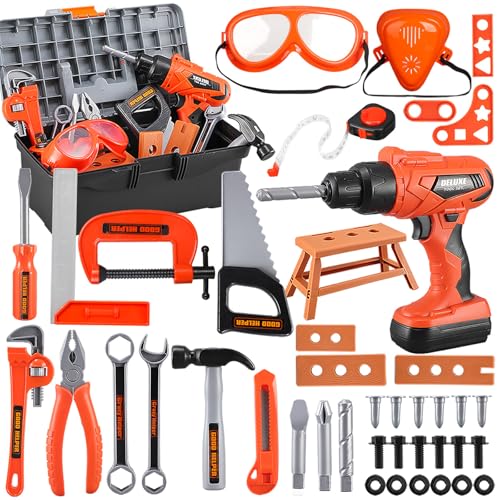
Hand tools are essential in various tasks, from woodworking and metalworking to simple home repairs. They come in different categories, each designed for specific functions. Understanding these categories can significantly enhance your ability to choose the right tool for any job. Let’s explore the main categories of hand tools and see how they can be beneficial in your everyday tasks.
Cutting tools are pivotal in any toolkit. They include saws, knives, and scissors, each serving a unique purpose. Have you ever tried to cut a thick piece of rope with dull scissors? It’s frustrating and inefficient. Investing in quality cutting tools can make your task easier and more precise.
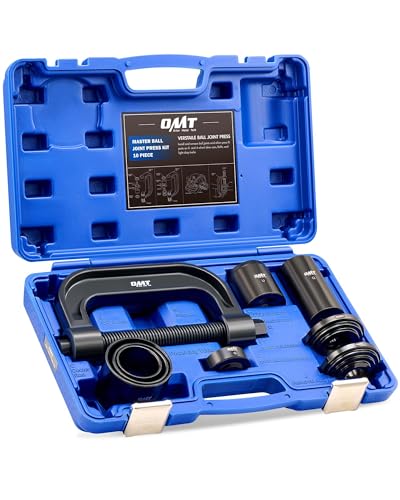
Fastening tools like screwdrivers and wrenches are indispensable for assembling and disassembling items. Whether you're putting together a new piece of furniture or fixing a bike, these tools are your best friends. The right size and type of screwdriver can prevent damage to screws and ensure a secure fit.
Striking tools, such as hammers and mallets, are used for driving nails or breaking objects. The weight and balance of a hammer can make a big difference in how effective it is. Have you ever missed a nail and hit your thumb? Choosing the right striking tool can help avoid these mishaps.
Accuracy is key, and measuring tools like tape measures and calipers ensure precision. Whether you're hanging a picture or cutting a piece of wood, accurate measurements are crucial. A reliable measuring tool can be the difference between a job well done and a failed project.
Holding tools, including clamps and pliers, are essential for maintaining stability. They provide the grip and hold you need when working on a project. Imagine trying to saw a piece of wood without a clamp to hold it steady. Holding tools can turn a two-person job into a solo task.
Which category of hand tools do you find most useful in your daily life? Each type serves a unique purpose, and understanding them can empower you to tackle any task with confidence.
Cutting Tools
Cutting tools are essential in any toolkit. They are used for shaping, slicing, or removing material. Whether you're a professional or a DIY enthusiast, understanding cutting tools is crucial. Each tool has a specific purpose and function. Let's explore the types of cutting tools available.
Saws
Saws are versatile and come in many forms. The handsaw is great for woodworking. It cuts through wood with ease. The hacksaw is perfect for metal and plastic. Its fine teeth make precise cuts. For intricate designs, the coping saw is ideal. It handles curves and corners well.
Knives
Knives are handy for precision cutting. Utility knives have replaceable blades. They are perfect for cutting cardboard and tape. Craft knives offer detailed cutting for arts and crafts. Their small, sharp blades allow accuracy. Pocket knives are portable and useful for everyday tasks. Always ensure blades are sharp for best results.
Chisels
Chisels are essential for carving and shaping wood. Wood chisels come in various sizes for different tasks. They can create intricate designs and detailed work. Cold chisels are used for cutting metal. They are strong and durable. Proper technique ensures smooth and precise results.
Fastening Tools
Fastening tools are essential in any toolkit, whether you're a professional or just someone who loves DIY projects. These tools are designed to help you securely attach materials together, making sure your creations stay intact. From assembling furniture to fixing appliances, fastening tools play a critical role in ensuring stability and durability. Let's dive into some of the most common fastening tools you might need.
Screwdrivers
Screwdrivers are probably the most recognized fastening tool. They come in various types, but the two main ones are Phillips and flathead. Ever struggled to tighten a loose screw on your glasses? A small precision screwdriver would be your best friend there. They come in handy for adjusting electronic gadgets or fixing tiny screws. Having a set of screwdrivers in different sizes is crucial for tackling various tasks around the house.
Wrenches
Wrenches are indispensable for turning nuts and bolts. Picture yourself assembling a bicycle; a wrench is what you need to ensure all parts are tightly secured. Adjustable wrenches offer flexibility for different sizes, while socket wrenches provide more grip and power. A wrench can also be a lifesaver when you're dealing with plumbing issues, helping you tighten pipes or fittings with ease.
Pliers
Pliers are versatile tools that not only fasten but also cut and grip. Think about the last time you tried to fix a wire or remove a nail—pliers were likely involved. Needle-nose pliers are perfect for reaching tight spaces, while slip-joint pliers adapt to various sizes. Next time you're handling a stubborn wire, remember that pliers can twist and bend with precision, making your job much easier.
How often have you found yourself needing to repair something but lacking the right tool? Investing in a good set of fastening tools can save you time and frustration. Which fastening tool do you find most indispensable in your toolkit?
Striking Tools
Striking tools play a crucial role in many tasks. They deliver force to an object. This force can bend, break, or shape materials. Common in construction and woodworking. Essential for any toolbox. Let's explore some popular striking tools.
Hammers
Hammers are versatile and widely used. They have a heavy head and a long handle. The head is often made of metal. It allows precise force application. Carpenters and builders often use claw hammers. The claw helps remove nails. Sledgehammers are larger and heavier. Ideal for demolition and large projects.
Mallets
Mallets are similar to hammers. They have a non-metallic head. Often made of rubber or wood. They deliver softer strikes. Useful for delicate materials. Woodworkers use mallets to strike chisels. They ensure controlled force. Mallets prevent damage to the workpiece.
Punches
Punches are simple yet effective. They have a pointed tip. Used for marking or creating indentations. Punches guide drills or screws. They come in various types. Center punches are common. They create a starting point for drills. Align punches help align holes. Essential for precision tasks.
Measuring Tools
Measuring tools are essential in any toolkit. They help ensure accuracy in projects. Without them, mistakes can lead to costly errors. These tools are vital for anyone who values precision. Let's explore the different types of measuring tools you should know about.
Tape Measures
Tape measures are among the most common measuring tools. They come in various lengths and materials. The retractable metal tape is popular for its durability. Flexible fabric tapes are used in tailoring. They provide quick, easy measurements. Whether in construction or sewing, a tape measure is indispensable.
Calipers
Calipers are precision instruments for measuring distances or diameters. They come in digital and analog forms. Digital calipers offer easy-to-read measurements. Analog calipers require more skill but are reliable. Used in metalworking, woodworking, and engineering. They ensure exact measurements every time.
Squares
Squares are crucial for ensuring right angles in projects. The most common type is the carpenter's square. It helps in aligning materials and making straight cuts. The speed square is a versatile tool for quick measurements. These tools are essential for maintaining accuracy in construction.
Holding Tools
Holding tools are essential in any toolkit. They help secure materials in place. This allows for more precise work. Using the right holding tool ensures safety and accuracy. These tools come in various types, each serving a specific purpose. Let's explore some common holding tools.
Clamps
Clamps are versatile holding tools. They hold pieces together during work. You can find them in woodworking, metalworking, and even in crafts. There are many types, like C-clamps, F-clamps, and spring clamps. Each type serves different needs. C-clamps are strong and reliable. F-clamps offer a longer reach. Spring clamps provide quick and temporary holds.
Vises
Vises are crucial for secure holds. They attach to workbenches for stability. They have two jaws that hold materials tightly. Vises are perfect for sawing or drilling tasks. They come in various forms. Bench vises are common in workshops. Pipe vises are used for plumbing tasks. Machine vises are essential in machining processes.
Pliers
Pliers are handy and multipurpose tools. They grip, twist, and cut materials. They are common in electrical and plumbing work. Different pliers serve different tasks. Needle-nose pliers reach tight spaces. Slip-joint pliers adjust to different widths. Locking pliers hold materials with great force. Each type is useful in its own way.
Specialty Hand Tools
Specialty hand tools are designed for specific tasks. They are essential in various trades. These tools help craftsmen achieve precision and efficiency. Each tool is tailored to the demands of its field. Let's explore some common categories.
Woodworking Tools
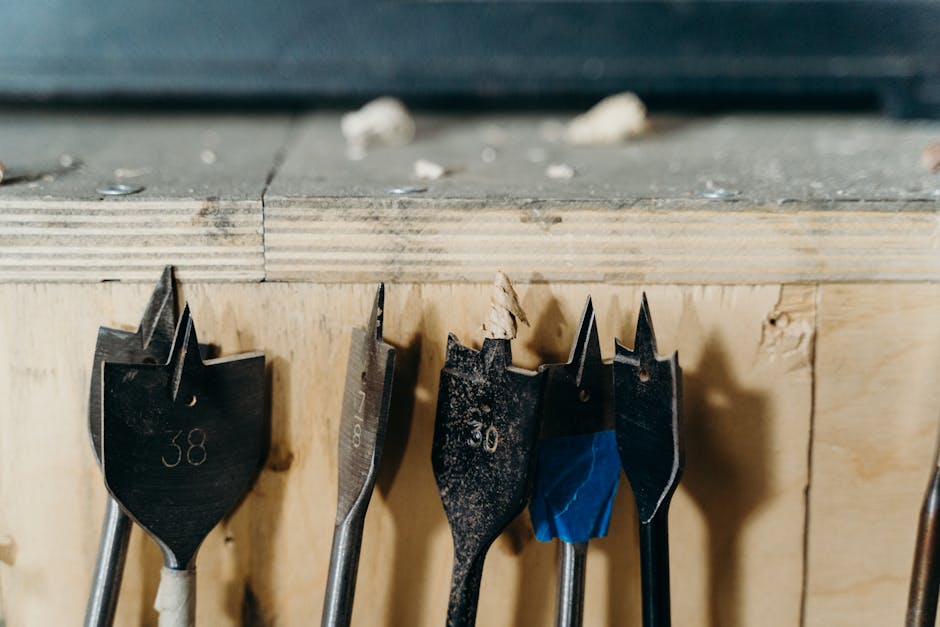
Woodworking tools shape and carve wood. They include chisels, saws, and planes. Carpenters use these to create furniture and structures. A chisel helps in detailed carving. Saws cut through wood with ease. Planes smoothen surfaces for a refined finish.
Metalworking Tools
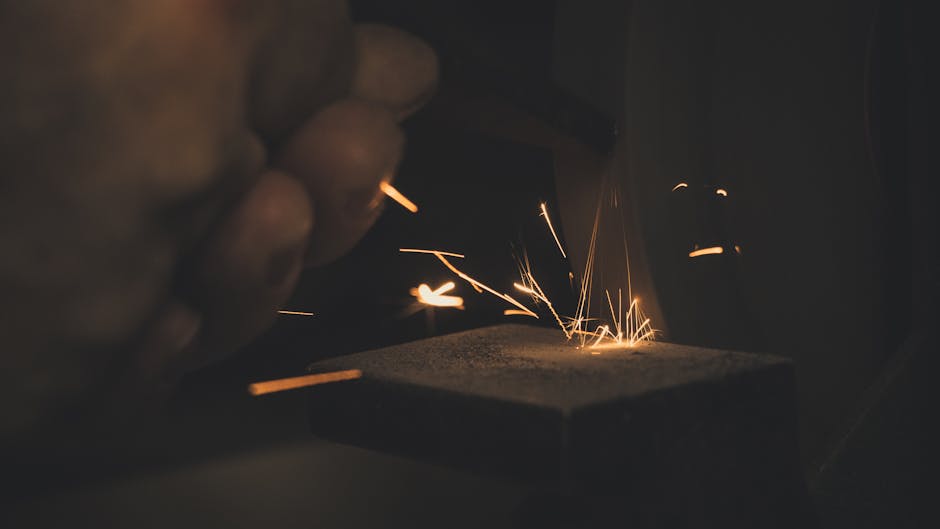
Metalworking tools cut, shape, and join metals. Examples include hammers, anvils, and files. These tools are vital for creating metal parts. A hammer shapes metal with force. Anvils provide a sturdy surface for hammering. Files refine edges and remove excess metal.
Electrical Tools
Electrical tools assist in wiring and repairs. Common ones are pliers, wire strippers, and screwdrivers. Electricians rely on these for safe installations. Pliers grip and bend wires. Wire strippers remove insulation without damage. Screwdrivers tighten or loosen electrical connections.
Materials And Durability
Hand tools vary in materials and durability. Steel tools offer strength, while aluminum provides lightweight options. Wooden handles add comfort, but plastic ensures affordability. Quality influences lifespan, making material choice crucial for lasting performance.
Hand tools are essential in every toolkit. Their materials affect their durability and effectiveness. Choosing the right material enhances performance and longevity. Let's explore the different materials used in hand tools and their durability.
Steel And Alloys
Steel is a popular choice for hand tools. It offers strength and durability. Carbon steel is common for cutting tools. It stays sharp and cuts efficiently. Stainless steel resists rust and corrosion. This makes it ideal for wet environments. Alloys blend metals for improved properties. Chromium and vanadium alloys are strong and wear-resistant. These materials ensure tools perform well under stress.
Plastic And Composites
Plastic offers lightweight and affordable options. It's used for tool handles and grips. Plastic tools are easy to clean and maintain. Composites combine materials for better strength. They resist wear and can handle high pressure. Fiberglass is a common composite. It provides a strong and durable handle. Composites offer strength without added weight.
Wood
Wood is a classic choice for tool handles. It provides a comfortable grip and natural feel. Hardwood like hickory and ash are preferred for strength. They absorb shock and reduce vibration. This makes them ideal for hammers and axes. Wood handles require care to prevent drying and cracking. Proper maintenance extends their lifespan.
Safety Tips
Different kinds of hand tools include hammers, screwdrivers, and wrenches. Always inspect tools for damage before use to ensure safety. Keep tools clean and stored properly to prevent accidents and prolong their lifespan.
When working with hand tools, safety should be your top priority. Whether you're a seasoned professional or a weekend DIY enthusiast, understanding how to use and maintain tools safely can prevent accidents. Following some straightforward safety tips can make all the difference in your work environment.
Proper Use
Before you pick up a tool, make sure you know how to use it correctly. Read the instructions or watch a quick video tutorial if you’re unsure. Misusing tools is a common cause of accidents, so take a moment to familiarize yourself. Think about the times you might have rushed into a task without proper preparation. Was it worth the risk? Taking a few extra minutes to understand a tool can save you from injuries and unwanted surprises.
Maintenance And Care
Regular maintenance is crucial for hand tools. A well-maintained tool is not only more efficient but also safer to use. Dull blades, rusty parts, and loose handles can lead to accidents. Create a routine to check your tools before and after use. Clean them, sharpen blades, and tighten any loose screws. This small habit can extend the life of your tools and keep you safe.
Protective Gear
Always wear the right protective gear. Gloves, goggles, and sturdy shoes are essential depending on the task at hand. They shield you from potential hazards that might not be immediately obvious. Think about the last time you skipped wearing protective gear because it seemed unnecessary. Did you feel safe throughout the task? Prioritize your safety over convenience—your health is worth it. By considering these safety tips, you can ensure a productive and injury-free experience with your hand tools. Have you ever had a close call that could have been prevented by following these tips? Share your stories and insights in the comments below!
Choosing The Right Tool
Choosing the right hand tool can transform your project. The right tool makes tasks easier and more efficient. But selecting the right tool requires careful consideration. Let's explore how to choose wisely.
Assessing Task Requirements
Understanding the task at hand is crucial. Different tasks need different tools. Consider the material you are working with. Wood requires different tools than metal. Identify the specific tasks you need to accomplish. A hammer for nails, a wrench for bolts. Each tool serves a unique purpose.
Quality Vs. Cost
Balancing quality and cost is important. High-quality tools last longer but might be expensive. Cheap tools can break easily and cost more in the long run. Invest in tools that offer good durability. Read reviews to understand user experiences. Evaluate the brand's reputation for reliability.
Ergonomics And Comfort
Comfort matters when using tools for extended periods. Choose tools with ergonomic designs. Handles should fit comfortably in your hand. Look for anti-slip grips for safety. Weight plays a role in comfort too. Heavy tools can tire your hands quickly. Test tools to find the best fit for you.
Frequently Asked Questions
What Are Common Types Of Hand Tools?
Hand tools include wrenches, screwdrivers, hammers, pliers, and saws. Each tool serves a specific purpose in construction, repair, or maintenance tasks. They're essential for both professionals and DIY enthusiasts due to their versatility and ease of use. Hand tools are often preferred for tasks requiring precision and control.
How Are Hand Tools Classified?
Hand tools are classified by their function and design. Common categories include cutting, gripping, fastening, and striking tools. Each category serves different tasks, such as cutting wood or fastening screws. Understanding these classifications helps users choose the right tool for their specific project needs.
Why Are Hand Tools Essential?
Hand tools are essential for precision and control in various tasks. They allow for efficient repair, maintenance, and construction work. Unlike power tools, hand tools provide tactile feedback, making them ideal for delicate operations. Their portability and ease of use make them indispensable for both professionals and hobbyists.
How Do I Maintain My Hand Tools?
Maintain hand tools by keeping them clean and dry. Regularly inspect for wear and damage. Sharpen blades and lubricate moving parts to ensure smooth operation. Proper storage prevents rust and prolongs tool life. Regular maintenance ensures your tools perform efficiently and remain safe to use.
Conclusion
Exploring hand tools opens up a world of possibilities. Each tool serves its unique purpose. Hammers drive nails. Screwdrivers tighten screws. Pliers grip and cut. Saws shape wood. Wrenches turn bolts. Knowing the right tool enhances your work. It makes tasks easier and faster.
Investing in quality tools pays off in the long run. They last longer and perform better. Keep tools organized and well-maintained. This ensures safety and efficiency. Understanding these basics empowers you. It helps you choose wisely for any project. So, grab your tools.
Create, fix, and build with confidence.