Have you ever stopped to think about the safety requirements of the hand tools you use daily? It's easy to overlook these essentials when you're focused on getting the job done.
But here's the truth: understanding and following safety guidelines can prevent accidents and ensure your tasks go smoothly. Imagine working confidently, knowing you're protected from potential hazards. Sounds reassuring, right? You'll discover the key safety requirements for hand tools that can make a significant difference in your work environment.
So, if you care about your safety and efficiency, keep reading. Your well-being and productivity are worth it!
Importance Of Hand Tool Safety
Hand tools are essential in many tasks. They make work easier and faster. Despite their usefulness, they carry risks. Improper use can lead to injuries. Understanding safety is crucial.
Safety measures reduce accidents. They protect users and others nearby. Awareness of safety guidelines ensures a safer work environment. It also boosts efficiency.
Understanding The Risks Of Hand Tool Usage
Every tool has potential hazards. Some tools can cut or crush. Others may cause repetitive strain. Knowing these risks is the first step to safety.
Inspect tools before use. Look for damage or wear. A damaged tool is dangerous. It can fail unexpectedly.
Proper Use Of Hand Tools
Use tools for their intended purpose. A screwdriver is not a chisel. Misuse can damage tools and cause injury.
Hold tools correctly. Maintain a firm grip. This prevents slips and accidents. Ensure good posture to avoid strain.
Regular Maintenance And Storage
Keep tools clean and well-maintained. Dirt and rust weaken tools. They can cause malfunctions. Regular maintenance extends tool life.
Store tools properly. Use racks or boxes. This prevents damage and accidents. Organized storage makes tools easy to find.
Wearing Appropriate Personal Protective Equipment (ppe)
Always wear PPE when using hand tools. Gloves protect hands from cuts. Goggles shield eyes from flying debris.
Consider ear protection for loud tasks. PPE reduces injury risks. It should always be part of your safety routine.
Types Of Hand Tools
Safety requirements for hand tools focus on maintaining their condition and proper usage. Check tools for damage before use. Wear protective gear like gloves and goggles for extra safety. Keep your workspace organized to prevent accidents.
Understanding the types of hand tools is crucial for ensuring safety in your workspace. Whether you're a DIY enthusiast or a professional tradesperson, hand tools are your go-to for precision and control. Yet, each tool category brings unique safety requirements. Have you ever wondered if you're using the right tool for the job, or if you're handling it safely? Let's dive into the different types of hand tools and what you need to know to keep your fingers safe and your projects flawless.
Manual Tools
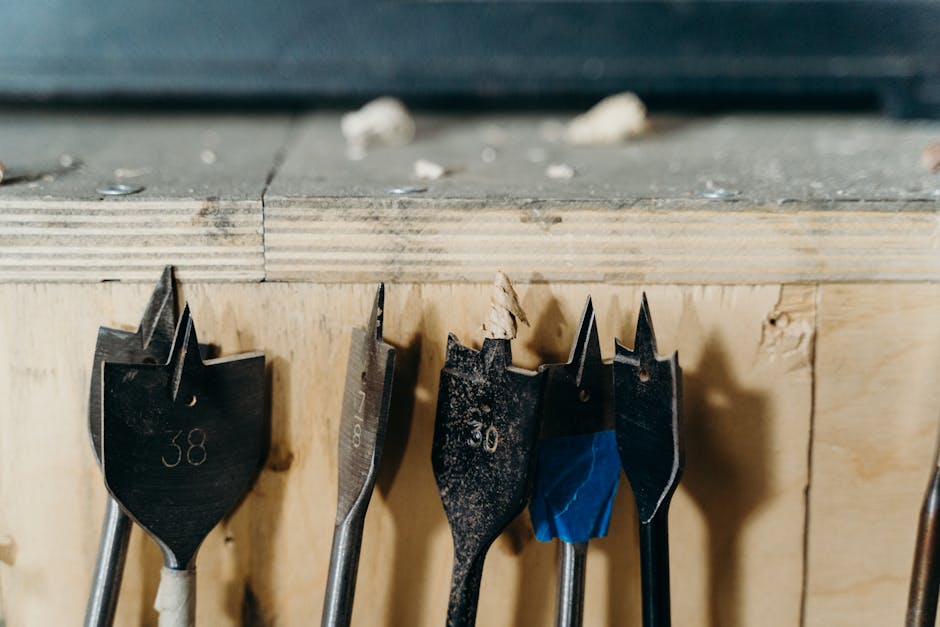
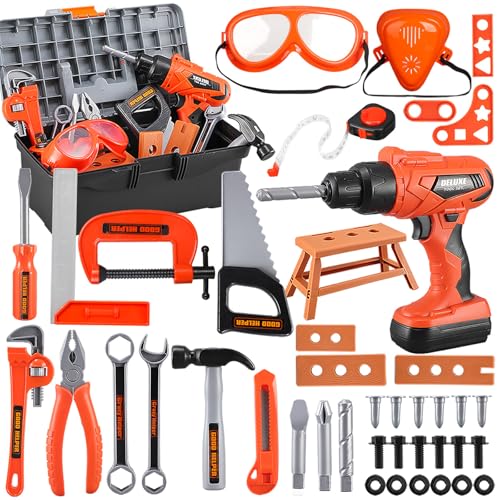
Manual tools are the backbone of any tool kit. They include hammers, screwdrivers, pliers, wrenches, and more. These tools rely on your physical strength and technique. Safety with manual tools starts with proper handling. Ensure your grip is firm and your stance is stable. Check tools for wear and damage regularly. A cracked hammer handle or a rusty screwdriver can lead to accidents. Use the right tool for the task. This prevents unnecessary strain on the tool and reduces the risk of injury.
Power Tools
Power tools make tasks quicker and easier, but they come with added risks. Think drills, saws, and sanders. These tools operate with electricity or batteries, adding a layer of complexity. Inspect power tools before each use. Look for frayed cords or dull blades that could affect performance and safety. Always wear appropriate safety gear, like goggles and gloves. This protects you from flying debris or accidental contact. Secure your workspace. Ensure cords are not tripping hazards and the tool is properly grounded. In your experience, have you ever overlooked a safety check and regretted it? Safety isn't just about the tool—it's about your approach. Taking a moment to assess your tools and environment can prevent mishaps. Are you prepared to make safety a habit in your tool use?
Common Hazards
Hand tools can cause injuries if not used properly. Always inspect tools for damage before use. Ensure a firm grip to prevent slipping. Use the right tool for the task to avoid accidents. Wear protective gear like gloves and goggles for safety.
Store tools safely after use to prevent tripping hazards.
When you work with hand tools, you expose yourself to various hazards that can lead to injuries or damage. Understanding these risks is crucial for your safety and efficiency. Whether you're fixing a leaky pipe, assembling furniture, or doing some DIY projects, knowing the common hazards of hand tools can protect you from harm.
Physical Injuries
Physical injuries are one of the most prevalent hazards when using hand tools. Have you ever accidentally hammered your finger instead of the nail? It’s not just painful but can also lead to serious injuries like fractures or cuts. To minimize these risks, always ensure the right tool is used for the task. Keep your tools sharp and well-maintained. A dull tool can slip and cause more damage than a sharp one. Consider wearing personal protective equipment like gloves and goggles. They shield your hands and eyes from unexpected mishaps. Have you ever wondered how many injuries could be avoided with just a simple pair of gloves?
Electrical Risks
Some hand tools come with electrical components, posing risks like electric shocks. Imagine trying to fix a broken wire without proper insulation; it’s a recipe for disaster. To stay safe, inspect electrical hand tools before use. Ensure the cords are intact and free from frays. Use tools in dry conditions to prevent electric shocks. Ground your electrical tools if needed. This simple step can safeguard you from unexpected electrical hazards. It’s a small action that makes a big difference.
Ergonomic Concerns
Using hand tools for extended periods can strain your muscles and joints. Have you ever felt sore after a day of wrenching bolts or drilling holes? This discomfort can escalate into serious ergonomic issues over time. Choose tools that fit comfortably in your hand and are appropriate for the task. A tool that’s too heavy or awkward can lead to fatigue and injuries. Take breaks and stretch periodically. It refreshes your muscles and enhances your focus. You might be surprised how much a short break can improve your efficiency and safety. Are you aware of how ergonomics can influence your tool use? Making small adjustments can significantly impact your safety and productivity. Always prioritize your well-being over speed.
Personal Protective Equipment
Hand tools require specific safety measures to ensure user protection. Always inspect tools for damage before use. Wear gloves to prevent cuts and abrasions. Proper maintenance extends tool life and reduces accidents. Secure tools when not in use to avoid injuries.
Personal protective equipment (PPE) is vital for hand tool safety. It protects users from injuries. Proper PPE enhances safety and confidence. Choosing the right gear makes a big difference.
Gloves
Gloves protect hands from cuts and abrasions. They offer grip and reduce fatigue. Choose gloves that fit well and suit the task. Avoid loose gloves near moving parts. Always inspect gloves for damage before use.
Eye Protection
Eye protection shields eyes from flying debris. Safety glasses or goggles are essential. They prevent serious eye injuries. Choose eyewear that fits snugly and comfortably. Ensure they meet safety standards.
Hearing Protection
Hearing protection is crucial with loud hand tools. Prolonged noise can damage hearing. Use earplugs or earmuffs for protection. Choose the right type for the noise level. Ensure they fit well for maximum benefit. `
Proper Tool Maintenance
Proper tool maintenance is crucial for safety and longevity. Tools that are well-maintained perform better and reduce accident risks. This section will guide you on keeping hand tools in top condition. Follow these simple maintenance steps to ensure your tools stay safe and efficient.
Regular Inspection
Inspect tools before each use for damage. Check handles for cracks or splinters. Ensure blades are sharp and not chipped. Tighten any loose screws or bolts. A quick inspection can prevent accidents.
Cleaning And Storage
Clean tools after every use to remove dirt and debris. Use a dry cloth to wipe them down. Apply a light coat of oil to metal parts to prevent rust. Store tools in a dry, cool place. Use a toolbox or pegboard to keep them organized. Proper storage keeps tools in good condition and easy to find.
Correct Usage Techniques
Correct usage techniques for hand tools ensure safety and efficiency. Misuse can lead to accidents and injury. Understanding how to use tools properly is essential. Let's explore some key aspects of tool safety.
Reading Instructions
Always start by reading the tool's manual. Instructions provide vital safety information. They explain the tool's features and functions. Manuals often include maintenance tips too. Follow them to keep tools in good condition.
Appropriate Tool Selection
Choose the right tool for the task. Using the wrong tool can cause accidents. Ensure the tool matches the job requirements. This prevents damage to the tool and the workpiece. It also reduces the risk of personal injury.
Safe Handling Practices
Handle tools with care to avoid mishaps. Maintain a firm grip while using tools. Ensure your hands are dry and free from oil. Keep tools in good repair and sharp. Store tools properly after use. This prevents accidental falls or injuries.
Training And Education
Training and education are crucial for ensuring the safe use of hand tools. Without proper knowledge, even the simplest tool can become a safety hazard. By investing time in learning and practicing correct techniques, you can protect yourself and those around you from unnecessary injuries.
Workshops And Courses
Enrolling in workshops and courses dedicated to hand tool safety can be incredibly beneficial. These sessions often offer hands-on experience under the guidance of experienced instructors. You'll learn not only how to use tools safely but also how to maintain them for longevity and effectiveness.
Many community colleges and vocational schools offer such courses. They are designed to cater to various skill levels, from beginners to seasoned professionals. By the end of these courses, you should feel more confident in your ability to handle tools safely.
On-the-job Training
Learning on the job provides unique, real-world insights that you might not get in a classroom. Watching a skilled colleague handle tools can teach you techniques that are practical and effective. This form of training often involves immediate feedback, which can be invaluable for quickly correcting unsafe practices.
Many workplaces prioritize safety and will pair new employees with mentors to ensure they learn the ropes safely. If your job does not offer structured training, consider asking for guidance from more experienced coworkers. A simple question can sometimes prevent a serious accident.
Have you ever thought about the last time you learned something new about tool safety? Continuous education is not just for beginners; it's an ongoing journey. Keep updating your skills and knowledge to ensure you and your colleagues stay safe.
Workplace Safety Policies
Hand tools need proper handling for safety in the workplace. Inspect tools for damage before use. Use the right tool for each task to avoid accidents. Ensure tools are clean and stored properly to prevent injuries.
In any workplace, safety is a top priority, especially when it comes to using hand tools. Establishing clear workplace safety policies is essential for preventing accidents and ensuring that everyone knows how to handle tools safely. These policies serve as a roadmap for employees, guiding them to make informed decisions that protect themselves and their coworkers. But what do these policies actually entail?
Safety Protocols
Safety protocols provide a structured approach to using hand tools. They outline best practices, such as always wearing appropriate personal protective equipment (PPE) like gloves and goggles. These protocols ensure tools are used for their intended purpose. Misusing a tool can lead to injuries—imagine trying to use a screwdriver as a chisel. Regular tool maintenance is another key aspect. A dull blade or a loose handle can be a hazard. Make it a habit to inspect tools before use. Are you confident your tools are in good condition? If not, it's time to take action.
Emergency Procedures
Even with stringent safety measures, accidents can happen. That's why having clear emergency procedures is vital. These procedures should be straightforward and easy to remember. They might include steps like immediately reporting injuries to a supervisor and knowing the location of the nearest first-aid kit. It's crucial to conduct regular emergency drills. These drills help you become familiar with procedures so you can act quickly and efficiently in a real emergency. Imagine the difference it makes when everyone knows exactly what to do. How prepared are you and your team for an unexpected incident? By focusing on these workplace safety policies, you create a safer environment where everyone can work confidently and efficiently. Prioritizing safety not only prevents accidents but also fosters a culture of care and responsibility. Are you ready to enhance your workplace safety practices?
Innovations In Tool Safety
Tool safety has advanced in recent years. Manufacturers focus on user protection. This leads to innovations that enhance safety. These advancements make tools safer to use. Users can work with less risk. Let's explore these innovations in tool safety.
Advanced Safety Features
Modern hand tools boast advanced safety features. Anti-slip grips are now common. These grips prevent accidents by ensuring a firm hold. Tools also feature protective guards. These guards shield users from sharp edges. Another safety feature is the automatic shut-off. It prevents overheating and saves energy. These innovations help in creating a safer work environment.
Smart Tools
Technology has entered the tool industry. Smart tools are the result. These tools connect to apps via Bluetooth. They provide real-time data and alerts. Users can monitor tool performance. This ensures optimal use and safety. Smart tools also have sensors. These sensors detect unsafe conditions. They notify users before accidents occur. Smart tools represent a leap in safety innovation.
Role Of Employers And Supervisors
Hand tools are an essential part of many workplaces, but they can pose risks if not handled correctly. The role of employers and supervisors is crucial in ensuring the safety of workers using these tools. Their responsibility goes beyond just providing equipment; it involves instilling safe practices and a culture that prioritizes safety.
Ensuring Compliance
Employers must ensure that all safety regulations related to hand tools are met. This includes providing tools that are in good condition and regularly inspected.
Training sessions should be mandatory to educate workers on safe usage and potential hazards. Have you ever considered how regular training can prevent accidents?
Supervisors should consistently monitor tool usage to ensure compliance with safety guidelines. If you notice unsafe practices, address them immediately.
Promoting Safety Culture
Building a safety culture means making safety a shared responsibility. Encourage workers to report potential hazards without fear of repercussion.
Share stories of near-misses or accidents to highlight the importance of safety. When was the last time you shared a safety story at work?
Supervisors should lead by example, demonstrating safe practices in their own work. Your actions speak louder than any training session.
By focusing on compliance and cultivating a safety-first mentality, employers and supervisors can significantly reduce the risks associated with hand tools in the workplace.
Frequently Asked Questions
What Are Basic Hand Tool Safety Tips?
Always use the right tool for the job. Inspect tools before use for any damage. Wear appropriate personal protective equipment. Keep tools clean and well-maintained. Store tools properly when not in use. Follow manufacturer instructions for each tool to ensure safe usage.
How Do I Prevent Hand Tool Injuries?
Use tools with ergonomic designs to reduce strain. Ensure good lighting in work areas. Avoid using tools when tired. Keep hands away from moving parts. Use gloves to improve grip and protect skin. Regularly train and refresh safety protocols.
Are Hand Tools Safe For Children?
Hand tools are not suitable for young children. Supervision is crucial when older children use hand tools. Ensure tools are age-appropriate and safe. Teach children proper handling and safety measures. Keep tools out of reach when not in use.
What Ppe Is Needed For Hand Tool Use?
Wear gloves to protect hands and improve grip. Use safety goggles to shield eyes from debris. Wear ear protection if tools are loud. Use appropriate footwear to prevent injuries. Consider wearing long sleeves for added protection.
Conclusion
Safety with hand tools is crucial for every user. Always inspect tools before use. Wear appropriate protective gear. Store tools properly to prevent accidents. Keep a safe working environment. Regular maintenance extends tool life and safety. Stay informed about best practices.
Training is essential for handling tools correctly. Follow guidelines to avoid injuries. Awareness and caution can prevent mishaps. Safety first leads to efficient work. Practice these safety measures consistently. Protect yourself and those around you. Stay safe, work smart.