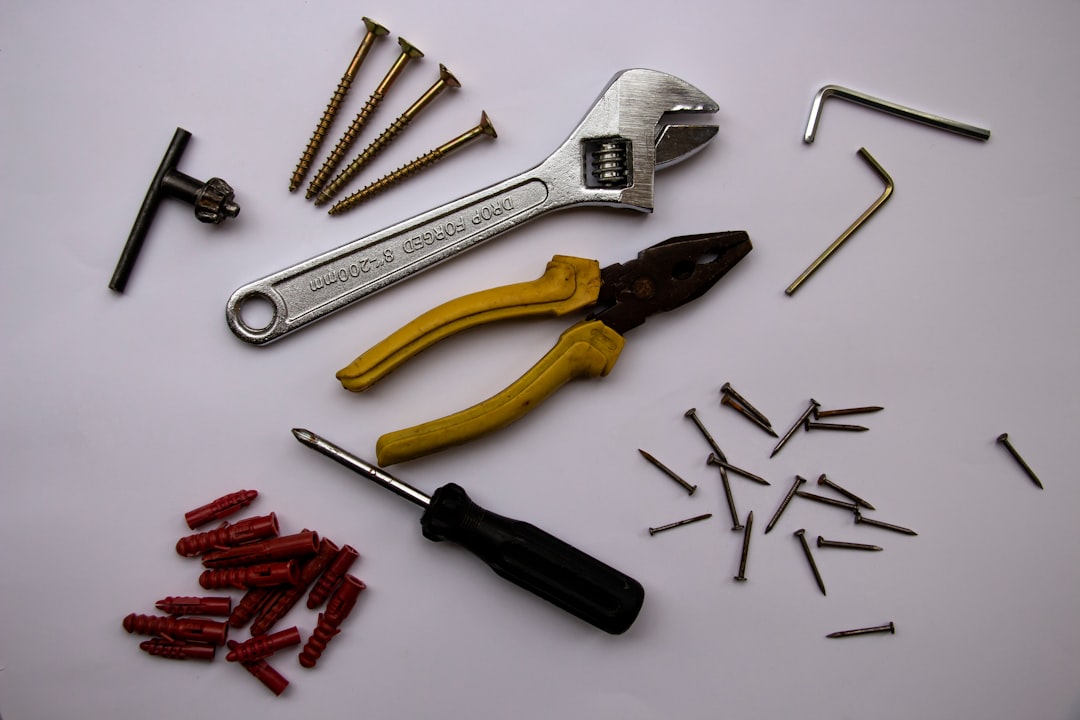
Imagine trying to finish a project only to find your tools are dull, broken, or unreliable. It's frustrating, isn't it?
This is where tool maintenance comes into play. You might not think about it often, but maintaining your tools is crucial for efficiency, safety, and cost savings. Regular upkeep not only extends the lifespan of your tools but also ensures they perform at their best, saving you time and effort.
Plus, well-maintained tools are less likely to cause accidents, keeping you safe while you work. So, why is tool maintenance important? Dive into this article to discover how proper care can make your projects smoother, safer, and more successful. Don't miss out on the insights that could transform your tool usage and boost your productivity.
Essential Role In Efficiency
Tool maintenance plays a crucial role in boosting workplace efficiency. Well-maintained tools ensure smoother operations and fewer disruptions. Employees focus more on tasks and less on troubleshooting. This leads to increased productivity across projects.
Optimal Performance
Tools perform at their best with regular maintenance. Consistent care prevents unexpected breakdowns. It enhances reliability and lifespan. Proper lubrication, cleaning, and calibration help tools function smoothly. This minimizes errors and maximizes precision. Efficient tools reduce the risk of accidents.
Cost-effective Operations
Maintaining tools saves money in the long run. It reduces repair and replacement costs. Regular checks prevent expensive emergency fixes. Businesses avoid downtime, keeping operations flowing. Well-maintained equipment consumes less energy. It cuts utility expenses and improves sustainability.
Safety Enhancements
Tool maintenance is not just a box to tick off your list; it's a crucial aspect of ensuring safety in your workspace. Regular upkeep and checks on your tools can significantly enhance safety measures, protecting you and those around you. But how exactly does it make a difference? Let’s explore some key aspects.
Preventing Accidents
Accidents are often unexpected, but many are preventable. Imagine using a worn-out hammer that slips from your hand, causing injury. Regular tool maintenance reduces such risks. By ensuring tools are in optimal condition, you minimize the chances of mishaps. It's like giving yourself a safety net, one that you create by your diligence.
Consider the time you save by avoiding accidents. Not only do you protect your well-being, but you also maintain productivity. Have you ever had to halt a project because of a tool failure? Regular checks help keep your work flowing smoothly.
Ensuring Compliance
Compliance is often seen as a bureaucratic chore, but it’s a vital part of workplace safety. Tools that meet safety standards protect you from legal issues. Imagine the peace of mind knowing your tools won't cause regulatory headaches. Regular maintenance helps align your equipment with these standards.
Are you aware of the latest compliance rules in your industry? Keeping tools well-maintained ensures you meet these evolving requirements. It's not just about following rules; it's about ensuring safety and reliability in your work environment.
Think about how often you’ve heard of businesses facing penalties for non-compliance. Regular tool maintenance is an easy step to avoid this and safeguard your operations. Is your workspace equipped to meet compliance standards?
Prioritize tool maintenance. It’s not just about extending the life of your tools; it’s about enhancing safety and ensuring you’re always ready to tackle your projects confidently.
Longevity Of Tools
Proper tool maintenance ensures they last longer and work efficiently. Regular care prevents damage and costly replacements. Well-maintained tools are safer and perform better, saving time and effort in tasks.
Longevity of tools matters to every owner. Well-maintained tools last longer. They serve efficiently over time. Proper care ensures optimal performance. Neglect leads to quick wear and costly replacements. Regular checks and maintenance save money. They ensure your tools are ready when needed.
Reducing Wear And Tear
Regular maintenance reduces wear and tear. Clean tools work smoothly. Dirt and grime cause damage. Lubrication prevents rust and friction. Sharpening keeps blades effective. Regular inspections catch issues early. Fixing small problems avoids big repair costs.
Extending Lifespan
Maintenance extends tool lifespan significantly. Use the right methods. Keep tools dry and clean. Store them properly. Use correct techniques during work. This prevents unnecessary stress. Routine checks ensure tools stay in good condition. Proper storage avoids damage. Regular maintenance keeps your tools reliable for years.
Economic Benefits
Tool maintenance is not just about keeping equipment running smoothly. It offers significant economic benefits to businesses and individuals. Regular maintenance can lead to substantial savings and efficiency improvements. Understanding these benefits can help prioritize maintenance tasks. This ensures that tools last longer and perform better.
Minimizing Downtime
Regular maintenance helps in minimizing downtime. Tools are less likely to break unexpectedly. This ensures continuous work operations. Less downtime means more productivity. Workers can focus on tasks without interruptions. This results in faster project completion. Efficient operations boost overall profitability.
Avoiding Replacement Costs
Proper maintenance avoids the need for frequent replacements. Tools last longer with regular care. This reduces the need to buy new tools. Saving money on replacements helps manage budgets better. Well-maintained tools perform like new. Ensuring longevity means fewer expenses over time.
Environmental Impact
Tool maintenance plays a crucial role in reducing environmental harm. Proper care of tools ensures they last longer. This reduces the need for frequent replacements. Longer tool life means fewer resources are used in production. This, in turn, lessens environmental strain.
Sustainable Practices
Regular maintenance supports sustainable practices. Well-maintained tools consume less energy. They operate more efficiently, saving power. This efficiency helps in conserving natural resources. It also reduces emissions, promoting a cleaner environment.
Sustainable practices ensure minimal environmental damage. They encourage the responsible use of resources. This approach benefits both the planet and future generations.
Waste Reduction
Proper tool care leads to significant waste reduction. Tools that last longer don't end up in landfills quickly. This decreases the amount of waste produced. Reducing waste is vital for environmental health.
Fewer discarded tools mean less pollution. This contributes to a healthier ecosystem. Waste reduction is essential for a sustainable future. It ensures natural habitats remain undisturbed.
Best Practices
Tool maintenance is crucial for performance and longevity. Following best practices ensures tools remain in top shape. Consistent care prevents unexpected breakdowns, enhancing safety and efficiency. Let's explore key practices for maintaining tools effectively.
Regular Inspections
Regular inspections catch problems early. Look for wear, rust, or damage. Check moving parts for smooth operation. Ensure screws and bolts are tight. Examine power cords for frays or cuts. Regular checks keep tools working well.
Scheduled Maintenance
Scheduled maintenance prolongs tool life. Set specific dates for upkeep. Clean tools after each use. Lubricate moving parts to prevent rust. Replace worn-out parts promptly. Keep a maintenance log for reference. Consistent schedules keep tools reliable.
Frequently Asked Questions
Why Is Regular Tool Maintenance Crucial?
Regular tool maintenance ensures tools function effectively and safely. It extends the lifespan of equipment, reducing the need for replacements. Proper care helps prevent unexpected breakdowns, saving time and money. Well-maintained tools also provide better performance, ensuring precision and efficiency in tasks.
Regular checks can identify minor issues before they become major problems.
How Does Tool Maintenance Enhance Safety?
Tool maintenance enhances safety by identifying and fixing potential hazards. Regular checks help detect wear and tear, preventing accidents. Well-maintained tools function reliably, minimizing the risk of malfunctions. This proactive approach ensures a safer working environment, protecting users from injuries.
Consistent maintenance reduces unexpected tool failures during critical operations.
What Are The Benefits Of Maintaining Tools?
Maintaining tools offers several benefits, including improved efficiency and reliability. It extends the lifespan of equipment, reducing costs. Regular maintenance helps prevent unexpected breakdowns, saving time and resources. Well-maintained tools perform better, ensuring precision in tasks. This practice also enhances safety by identifying and addressing potential hazards promptly.
Can Tool Maintenance Save Money?
Yes, tool maintenance can save money by preventing costly repairs and replacements. Regular care extends tool lifespan, reducing the need for frequent purchases. It minimizes downtime from unexpected breakdowns, maintaining productivity. By identifying issues early, maintenance prevents small problems from escalating into expensive repairs, ensuring cost-effective operations.
Conclusion
Tool maintenance matters for safety and efficiency. It prevents accidents and costly repairs. Regular checks extend the tool's lifespan. You save money by avoiding frequent replacements. Proper care ensures tools work at their best. This boosts productivity in any task.
Neglecting maintenance leads to breakdowns and delays. Consistent upkeep builds trust in your equipment. It shows responsibility and professionalism. Every tool deserves regular attention and care. Simple steps make a big difference. Keep your tools in top shape. It’s worth the effort.
Your projects will thank you.