Do you often find your tools letting you down at the most crucial moments? You’re not alone.
Many people experience the same frustrations, and the culprit often lies in improper tool maintenance. Imagine being in the middle of a home repair project or a creative DIY endeavor, and suddenly, your trusty tool fails. It's not just about convenience; it’s about saving you time, money, and unnecessary stress.
In this guide, you'll discover the three most important rules for tool maintenance that can transform your experience. These rules aren’t just about keeping your tools in top shape; they’re about empowering you to take control. By understanding these key principles, you’ll ensure that your tools are always ready to perform when you need them most. Ready to elevate your tool game? Let’s dive in and uncover the secrets to flawless tool maintenance.
Importance Of Tool Maintenance
Proper tool maintenance ensures safety, efficiency, and longevity. Clean tools regularly to prevent damage. Store them properly to avoid rust. Inspect tools frequently for wear and tear. These practices keep tools reliable and ready for use, saving time and money in the long run.
Tool maintenance is often overlooked but is crucial for efficiency and safety. Proper care can extend the life of your tools and improve their performance. By dedicating time to maintenance, you can avoid unexpected breakdowns and costly repairs.
Why Regular Maintenance Matters
Regular maintenance helps you catch small problems before they become big issues. Imagine tightening a loose screw on your power drill before it flies off during a project. It’s about being proactive rather than reactive. Plus, well-maintained tools perform better, saving you time and effort.
Saving Money In The Long Run
Investing a little time in maintenance can save you money. Think of it this way: a neglected tool can wear out faster, leading to expensive replacements. By keeping tools in good shape, you extend their lifespan, avoiding the need to purchase new ones frequently. It's like getting the best return on your investment.
Safety First
Safety should always be a top priority. Dull blades or malfunctioning tools can lead to accidents. Regular maintenance ensures everything is in good working order. For instance, sharpening a saw blade not only makes cutting easier but reduces the chance of slipping and causing injury. Are your tools in their safest condition?
A personal note: I once ignored the upkeep of my lawnmower, thinking it was saving time. But when it broke down midway through the summer, I realized maintenance would have been far less hassle. Don’t wait for a breakdown to remind you of the importance of maintenance. Take a moment to inspect and care for your tools regularly. It’s a small step with significant benefits.
Rule One: Regular Cleaning
Keeping your tools clean is crucial for their longevity and performance. Neglecting this simple task can lead to rust, damage, and inefficiency. Imagine reaching for a drill only to find it clogged with dust, rendering it useless at the moment you need it most. Regular cleaning ensures your tools are ready to perform at their best whenever you call on them.
Benefits Of Cleaning
Cleaning your tools regularly extends their lifespan significantly. A clean tool is less likely to rust or corrode, meaning fewer replacements and repairs.
It also ensures efficiency. A clean blade cuts smoothly, a clean drill bit drills faster, saving you time and effort.
Furthermore, regular cleaning can prevent injury. Dirt and debris can cause tools to slip or jam, posing a safety risk during use.
Cleaning Techniques
Start by wiping down your tools with a dry cloth to remove dust and grime. This simple step can make a big difference.
For stubborn dirt, use a damp cloth with mild soap. Avoid soaking tools, as water can lead to rust.
Consider using compressed air to blow out particles from hard-to-reach areas, like inside drill bits or saw teeth.
Tools For Cleaning
Invest in quality cleaning supplies. Microfiber cloths are excellent for dusting and wiping down tools without scratching them.
Brushes can help scrub out dirt from intricate parts. Choose brushes with soft bristles for delicate surfaces.
Compressed air cans are perfect for cleaning electronic tools or areas where a cloth can't reach. They're an essential part of any toolkit.
Why not make cleaning a part of your routine? You'll spend less time dealing with broken tools and more time getting things done efficiently. Can you imagine the peace of mind knowing every tool is in tip-top shape when you need it?
Rule Two: Proper Storage
Tool maintenance is crucial for extending the life of your equipment. Proper storage plays a significant role in this process. It ensures tools stay safe and ready for use. Neglecting storage can lead to rust and damage. This impacts tool performance and lifespan. Let's delve into the importance of storage.
Impact Of Storage On Longevity
Tools exposed to elements wear out faster. Moisture causes rust and corrosion. Dust and dirt lead to wear and tear. Proper storage shields tools from these harms. It helps maintain their functionality. Store tools in dry, clean areas. This boosts their longevity.
Storage Solutions
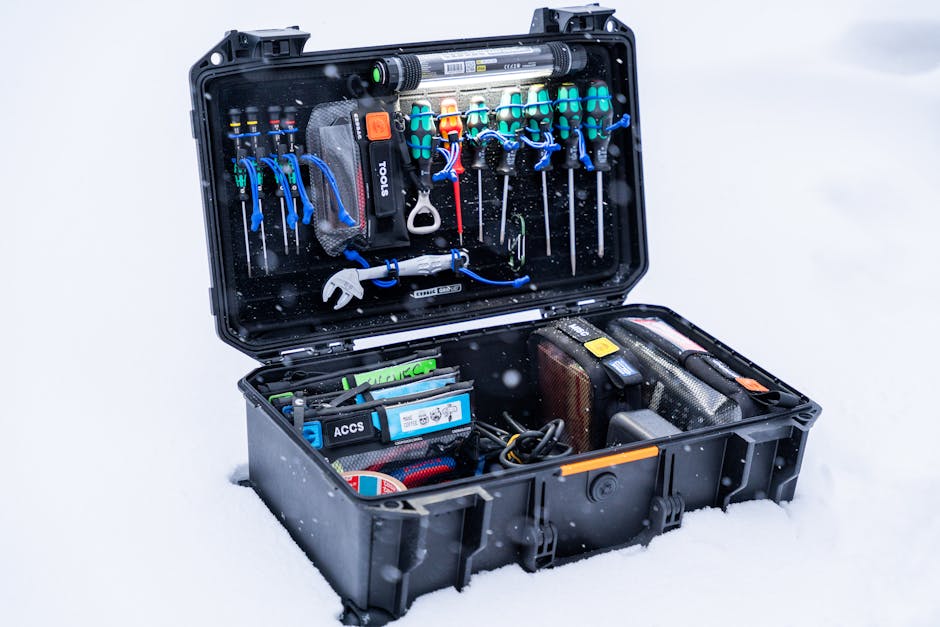
Organized storage reduces clutter and confusion. Use pegboards for easy access. Toolboxes keep items secure. Shelves help in categorizing tools. Choose storage solutions based on tool size. Make sure each tool has a designated space. This prevents loss and damage.
Climate Considerations
Climate affects tool condition. Humidity accelerates rust. Extreme temperatures can warp tools. Use climate-controlled areas for storage. Avoid storing tools in damp basements. Ensure the area is well-ventilated. This minimizes moisture buildup. Protect tools from harsh weather conditions.
Rule Three: Routine Inspection
Routine inspection is vital for tool maintenance. It ensures tools remain in top condition. Regular checks help catch issues early. This prevents costly repairs and downtime. Routine inspections extend tool lifespan, saving money in the long run.
Identifying Wear And Tear
Inspect tools for signs of wear and tear. Look for cracks, rust, or loose parts. These signs indicate a need for maintenance. Identifying them early can prevent tool failure. Regular inspection helps in spotting these issues quickly.
Inspection Frequency
Establish a regular schedule for inspections. Frequency depends on tool usage. High-use tools need more frequent checks. Less-used tools require less frequent inspections. Consistent schedules ensure nothing is overlooked.
Repair Vs. Replacement
Decide whether to repair or replace worn tools. Minor issues may need simple repairs. Severe damage might require replacement. Assess the cost of repair versus buying new. Routine inspection helps make informed decisions.
Common Mistakes In Tool Maintenance
Proper tool maintenance is essential for longevity and performance. Yet, many overlook simple steps. These common mistakes can lead to expensive repairs or replacements. Understanding these pitfalls can save time and money.
Neglecting Maintenance
Many users forget regular maintenance. Dust and debris build-up harms tools. This reduces efficiency and lifespan. A simple wipe-down can prevent major issues. Regular checks can catch problems early.
Improper Handling
Tools often break due to rough handling. Dropping or mishandling tools leads to damage. Always follow the manufacturer's instructions. Handle tools with care to ensure they last longer.
Using Wrong Products
Many make the mistake of using incorrect cleaning products. This can damage tool surfaces. Always use the recommended products. Check labels before applying to avoid harmful effects.
Benefits Of Adhering To Maintenance Rules
Tool maintenance is crucial for every toolkit owner. Following maintenance rules brings many benefits. It ensures tools work efficiently and last longer. Ignoring maintenance can lead to costly repairs or replacements. Regular care and attention can save money and prevent unexpected breakdowns.
Increased Tool Lifespan
Proper maintenance extends the life of your tools. Regular cleaning prevents rust and decay. Lubricating moving parts reduces wear and tear. Inspecting tools for damage catches issues early. This proactive care ensures tools serve you well for years.
Enhanced Performance
Well-maintained tools perform at their best. Sharp blades cut cleanly and precisely. Tightened screws and bolts ensure stability. Tools work efficiently, saving you time and effort. This boosts productivity and makes tasks easier.
Safety Improvements
Maintaining tools enhances safety. Faulty tools can cause accidents or injuries. Regular checks identify hazards before they become problems. Keeping tools in good condition ensures safe operation. This protects both you and your workspace.
Frequently Asked Questions
Why Is Tool Maintenance Important?
Tool maintenance ensures tools function efficiently and safely. Regular maintenance extends the life of tools, preventing costly replacements. It minimizes downtime caused by malfunctioning equipment. Proper maintenance also enhances performance, leading to better results in tasks. Overall, it saves money and increases productivity by ensuring tools are always ready for use.
How Often Should Tools Be Maintained?
Tools should be maintained regularly based on usage and manufacturer's guidelines. Frequent use may require weekly checks, while less frequent use might need monthly maintenance. Inspecting tools before each use helps identify potential issues early. Consistent maintenance ensures longevity and optimal performance, preventing unexpected breakdowns and ensuring safety.
What Are Basic Tool Maintenance Steps?
Basic tool maintenance involves cleaning, inspecting, lubricating, and storing tools properly. Cleaning removes dirt and debris that can cause wear. Inspecting helps identify damage or wear. Lubricating ensures smooth operation and prevents rust. Proper storage protects tools from environmental damage.
Following these steps helps maintain tool functionality and longevity.
Can Improper Maintenance Affect Tool Performance?
Yes, improper maintenance can severely affect tool performance. Neglecting maintenance leads to wear, damage, and reduced efficiency. Tools may break down unexpectedly, causing delays in tasks. Poorly maintained tools can compromise safety, leading to accidents. Ensuring proper maintenance enhances performance, reliability, and safety, preventing costly repairs and replacements.
Conclusion
Keeping tools in top shape is essential for smooth operations. Regular cleaning prevents wear and tear. Proper storage protects tools from damage. Routine inspections help identify issues early. These simple rules extend the life of tools. They save time and money in the long run.
Consistent maintenance ensures tools work efficiently. Safety improves, reducing risks during use. Following these steps makes a big difference. Keep tools ready, reliable, and safe. Happy maintaining!