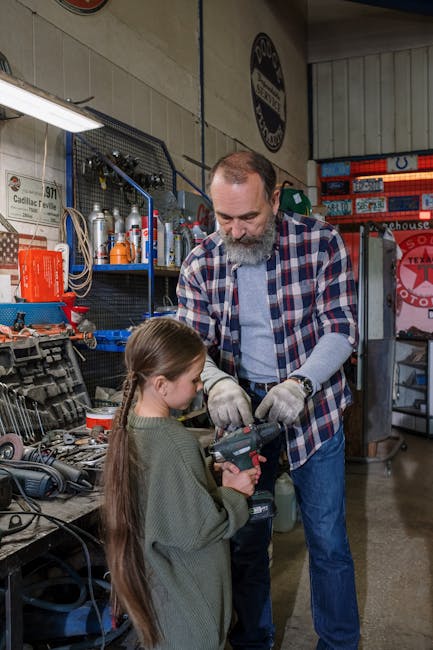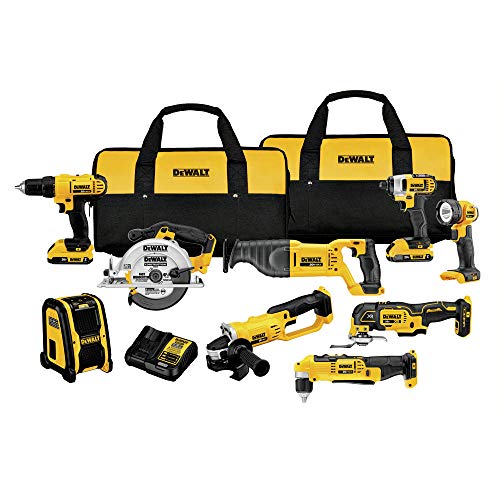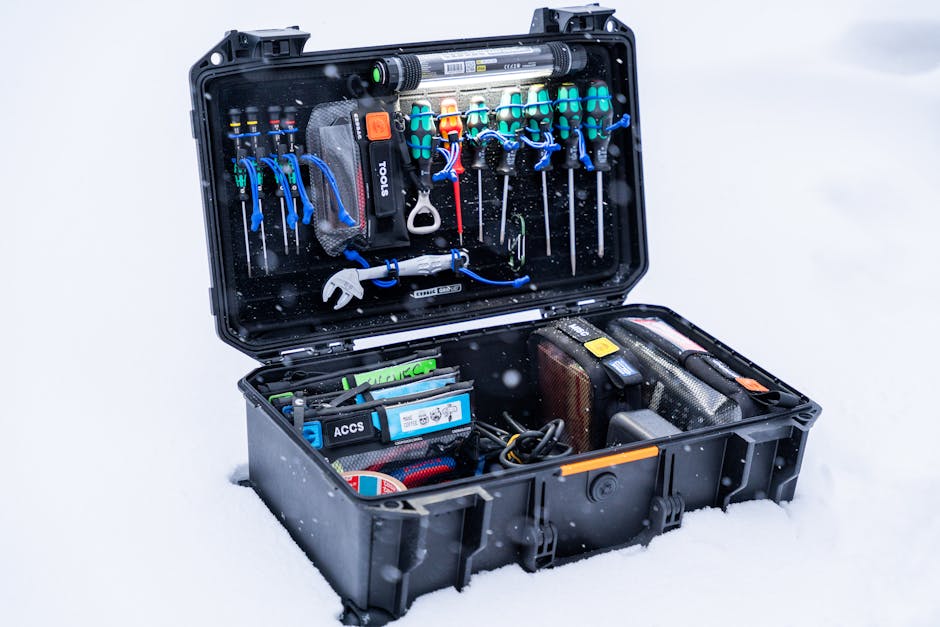
Imagine standing in front of your fleet, knowing you're equipped to handle any maintenance task that comes your way. The right hand tools can transform you from a hesitant tinkerer into a confident, capable technician.
These tools are the backbone of effective fleet maintenance, ensuring your vehicles stay on the road longer and perform optimally. But which hand tools are absolutely essential for this task? You're about to discover how a well-chosen toolkit can save you time, reduce stress, and ultimately lead to a more efficient and reliable fleet.
Stay with us as we unravel the must-have hand tools that will empower you to tackle fleet maintenance with ease and precision.
Basic Hand Tools
Fleet maintenance requires essential hand tools like wrenches, screwdrivers, and pliers. These tools help with repairs and adjustments. A socket set is also vital for efficient work on vehicle components.
When maintaining a fleet, having the right set of basic hand tools is crucial. These tools form the backbone of any maintenance routine, ensuring that your vehicles remain operational and safe. You don't need to be a professional mechanic to appreciate the value of a well-organized tool kit. Imagine being able to quickly address minor issues before they escalate into costly repairs. So, what are these essential tools that every fleet maintenance team should have?
Wrenches
Wrenches are indispensable in fleet maintenance. They allow you to easily tighten or loosen bolts and nuts. A set of combination wrenches, including both metric and standard sizes, is ideal. Consider a ratcheting wrench for greater efficiency. It saves time and reduces fatigue during repetitive tasks. Picture yourself fixing a loose component effortlessly, thanks to this handy tool.
Screwdrivers
Screwdrivers come in handy for a wide array of tasks. A versatile set that includes both flathead and Phillips head screwdrivers can handle most situations. Magnetic tips are a bonus, keeping screws from falling into hard-to-reach spaces. How many times have you dropped a screw into the engine bay, only to spend precious minutes fishing it out?
Pliers
Pliers are the go-to tool for gripping, bending, and cutting. Needle-nose pliers are perfect for accessing tight spots. Slip-joint pliers offer adjustable jaw sizes to handle different jobs. Imagine replacing a small component in a cramped space—pliers make it much easier. A quality set of pliers can be your best friend in unexpected situations. Having these basic tools can make a world of difference in maintaining your fleet efficiently. They not only empower you to perform quick fixes but also help avoid unnecessary downtime. So, is your tool kit fully equipped to handle the demands of fleet maintenance?
Measurement Tools
Fleet maintenance requires essential hand tools like wrenches, screwdrivers, and pliers. These tools help with basic repairs and adjustments. Having these tools ready ensures smooth operations and quick fixes.
Accurate measurements are crucial in fleet maintenance. Whether you're checking tire pressure or ensuring engine components are aligned, precise measurement tools are indispensable. They help you prevent costly errors and ensure the safety and efficiency of your fleet. Imagine the peace of mind knowing every component is in its place and functioning optimally.
Tape Measures
A tape measure is one of the most versatile tools in your arsenal. It can be used for various tasks, from measuring brake pad thickness to checking the length of hoses and belts. Keep a durable and retractable tape measure in your toolkit; it's an everyday hero that often goes overlooked.
Calipers
Calipers offer precision when measuring small distances or diameters. They are perfect for checking the thickness of brake rotors or the diameter of pipes. Digital calipers provide readings quickly and accurately, making your job easier and more efficient. Have you ever thought about how much time you could save with digital precision?
Multimeters
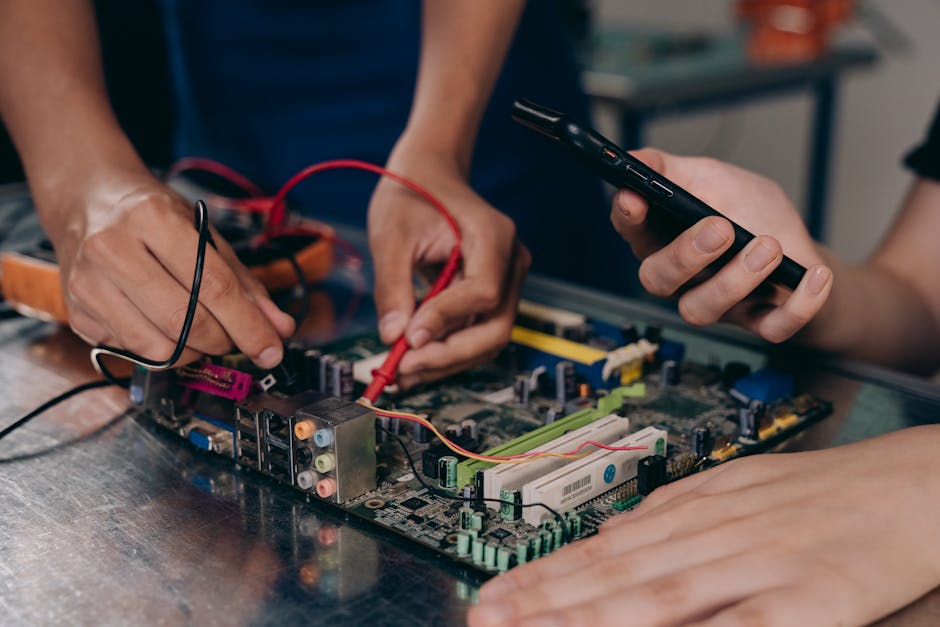
A multimeter is essential for diagnosing electrical issues. It measures voltage, current, and resistance, giving you a comprehensive understanding of your vehicle's electrical system. Imagine quickly identifying a faulty wire or connection, preventing a breakdown before it happens. This tool not only saves time but also enhances safety. Measurement tools are vital in maintaining the integrity of your fleet. Each tool has its role, contributing to the overall health and longevity of your vehicles. Are your measurement tools up to the task? Investing in quality tools ensures precise maintenance, keeping your fleet ready for the road.
Cutting Tools
Fleet maintenance requires essential hand tools like wrenches, screwdrivers, and pliers for efficient repairs. Precision cutters and durable hammers ensure smooth operations. Carry a portable toolbox for quick access to these tools.
Maintaining a fleet requires precision, expertise, and the right set of tools. Among these, cutting tools play a crucial role. Imagine the need to quickly cut through a stubborn piece of material to ensure a vehicle gets back on the road swiftly. Cutting tools are like the unsung heroes in your toolbox, enabling fleet maintenance to proceed seamlessly.
Utility Knives
Utility knives are indispensable in fleet maintenance. They are perfect for tasks like cutting through thick rubber hoses or trimming insulation from wires. Having a sharp, durable utility knife can save you time and frustration. A retractable blade can also offer safety and convenience. Have you ever struggled with a blunt blade? It’s a hassle that can halt your progress. Choosing a utility knife with replaceable blades ensures you’re always ready for a clean cut.
Hacksaws
Hacksaws are essential for cutting through metal components. Whether it’s a stubborn bolt or a piece of pipe, hacksaws provide the precision needed for a smooth cut. They are versatile, allowing you to adjust the blade tension to fit the task. A hacksaw with an ergonomic handle can make extended use more comfortable. Imagine slicing through metal effortlessly, knowing your hacksaw is reliable.
Snips
Snips are perfect for cutting sheet metal and thin materials. They are lightweight yet powerful, enabling you to make precise cuts in tight spaces. Ever faced the challenge of trimming a small piece in a cramped engine bay? Snips can be your go-to tool for such scenarios. Their compact design means you can maneuver them with ease, ensuring accuracy without compromising safety. Have you ever considered the impact of using the right cutting tool? It’s not just about efficiency; it’s about ensuring the safety and longevity of your fleet. Cutting tools are integral in making fleet maintenance not just a task, but an art. Are your cutting tools up to the challenge?
Lifting And Support Tools
When maintaining a fleet, having the right lifting and support tools is essential for efficiency and safety. These tools not only help you lift heavy vehicles but also ensure they are securely supported while you work underneath. Whether you're a seasoned mechanic or a fleet manager, understanding which tools are necessary can make your maintenance tasks more manageable and less stressful.
Jacks
Jacks are indispensable in fleet maintenance. They enable you to lift vehicles safely to access undercarriage components. A hydraulic floor jack is a popular choice due to its ease of use and efficiency. You might remember the first time you used a jack and felt that empowering sense of control as you lifted a vehicle with ease. It's crucial to select a jack that can handle the weight of your heaviest fleet vehicle.
Consider the lifting capacity and stability of the jack. A good practice is to always go for a higher capacity than you think you'll need. This ensures you have the confidence to lift any vehicle in your fleet without hesitation. Have you ever hesitated to use a jack because you weren't sure it could handle the weight? Avoid that uncertainty by choosing wisely.
Jack Stands
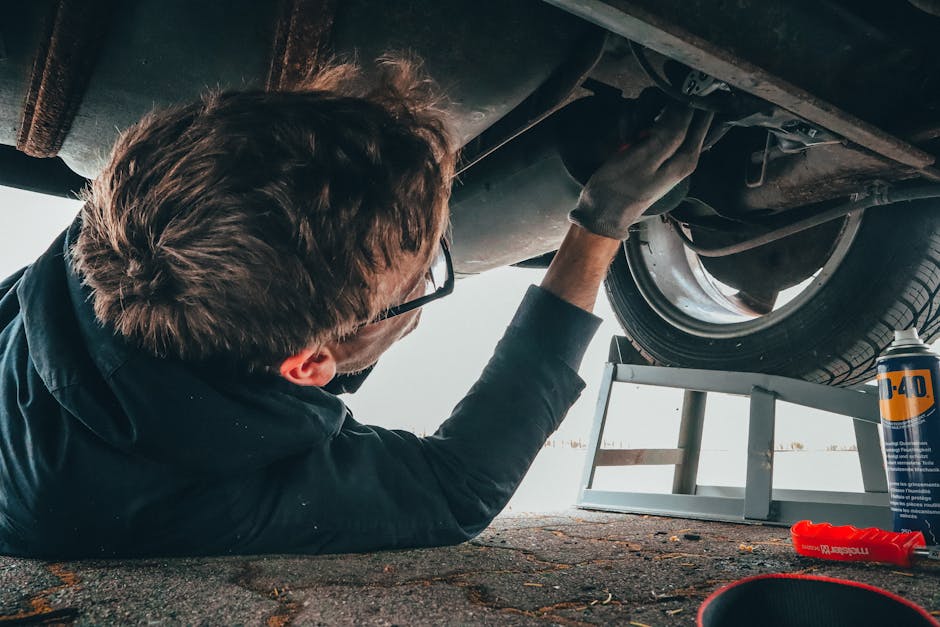
Once you’ve lifted the vehicle, jack stands come into play. They provide the support needed to keep the vehicle elevated safely. Imagine trying to work under a vehicle that’s only held up by a jack—it’s not a comforting thought. Jack stands offer peace of mind and stability.
Always use jack stands in pairs and ensure they are on solid, level ground. Check their weight capacity and adjustability for the best fit. Have you ever noticed how a slight tilt can make a huge difference? Jack stands keep that tilt in check, allowing you to focus on your work rather than worrying about safety.
Creepers
Creepers are your trusty companions when you need to slide under vehicles. They save your back and clothes from unnecessary strain and dirt. If you’ve ever laid directly on the garage floor, you know how uncomfortable and cold it can be. A good creeper provides comfort and mobility.
Look for creepers with sturdy wheels and an ergonomic design. They should allow you to glide effortlessly under the vehicle. Consider your workspace floor—smooth surfaces work best with hard wheels, while rough floors might need softer ones. Have you ever struggled to move around under a car because your creeper’s wheels got stuck? Make sure to choose one that suits your environment.
By equipping yourself with these lifting and support tools, you're not just maintaining vehicles—you're ensuring safety and efficiency in your workflow. What tools have made the biggest difference in your fleet maintenance tasks?
Lubrication Tools
Lubrication tools are essential in fleet maintenance. These tools keep machinery running smoothly. Proper lubrication reduces friction and wear. This extends the life of equipment. It also prevents costly breakdowns. Having the right tools ensures efficiency.
Grease Guns
Grease guns are vital for fleet maintenance. They deliver grease to hard-to-reach parts. This ensures every component moves smoothly. Grease guns come in various types. Manual, pneumatic, and battery-operated are common. Choose one based on your needs. They help in maintaining equipment efficiently.
Oil Cans
Oil cans are simple yet effective tools. They apply oil precisely where needed. Their design allows easy handling. This makes them perfect for tight spaces. Oil cans are crucial for regular maintenance tasks. They ensure parts remain lubricated and operational.
Fluid Extractors
Fluid extractors remove old oils and fluids. This process is crucial for equipment maintenance. Extractors ensure clean oil circulation. They prevent contamination in machinery systems. Fluid extractors are easy to use. They make fluid changes quick and hassle-free.
Fastening Tools
Maintaining a fleet requires the right tools. Fastening tools are essential. They ensure every part is secure. Proper fastening tools reduce breakdowns. They keep vehicles safe on the road. Investing in quality tools saves time and money. Let's dive into some key fastening tools needed for fleet maintenance.
Torque Wrenches
Torque wrenches are crucial for precision. They apply specific force to bolts and nuts. This prevents over-tightening or under-tightening. Over-tightened bolts can snap. Under-tightened bolts may come loose. Both situations are risky. A good torque wrench helps avoid these issues. Adjustable settings make them versatile. They’re a must-have for fleet technicians.
Socket Sets
Socket sets are versatile and indispensable. They come in various sizes and types. Technicians use them to loosen or tighten fasteners. A complete set includes deep and shallow sockets. It also has metric and standard sizes. This variety makes it suitable for different vehicles. Quality socket sets endure heavy use. They are key to efficient fleet maintenance.
Ratchets
Ratchets improve speed and efficiency. They allow quick fastening and unfastening. This tool works with socket sets for best results. Ratchets have a reversible mechanism. It lets you switch directions without removing the tool. This feature saves time during repairs. A sturdy ratchet is a fleet technician's best friend. It simplifies repetitive tasks.
Diagnostic Tools
When maintaining a fleet, diagnostic tools are your best friends. They help you identify issues before they become major problems, saving time and money. Let’s dive into some essential diagnostic tools you should have in your arsenal.
Obd-ii Scanners
OBD-II scanners are a must-have for any fleet maintenance team. They provide real-time data from the vehicle's onboard computer, helping you detect issues quickly. Whether it's a check engine light or fuel efficiency concerns, these scanners can give you insights that manual inspections might miss.
Imagine you’re on a tight schedule, and a vehicle suddenly shows a warning light. Instead of guessing the issue, plug in your OBD-II scanner. With a few clicks, you can pinpoint the problem and decide if it needs immediate attention or can wait until the next service.
Pressure Gauges
Proper pressure in tires and systems is crucial for vehicle safety and performance. Pressure gauges help you maintain the right levels, ensuring optimal operation. Whether it’s tire pressure or brake system pressure, these gauges are indispensable.
Picture this: You’re about to send out a delivery vehicle, and the last-minute check shows a tire seems low. A pressure gauge tells you exactly what’s going on. This quick check can prevent a blowout on the highway, keeping your fleet safe and on schedule.
Stethoscopes
Automotive stethoscopes are surprisingly effective for diagnosing engine or component issues. They help you listen to the internal sounds of a vehicle, identifying irregularities that might suggest problems. They are particularly useful for pinpointing issues with bearings or internal engine noises.
You might find it funny to picture a mechanic with a stethoscope, but it’s a game-changer. When you hear a strange noise under the hood, use the stethoscope to trace it to the source. This tool can save you from unnecessary part replacements by directing you to the true issue.
What tools do you rely on for diagnosing fleet issues? Have you found a particular tool that saved the day? Share your experiences and help fellow fleet managers make informed decisions.
Safety Equipment
Safety equipment is vital for fleet maintenance. It protects workers from potential hazards. Proper safety gear can prevent injuries and ensure a safe working environment. Below are essential safety tools needed for fleet maintenance.
Gloves
Gloves protect hands from cuts and abrasions. They provide grip when handling slippery parts. Choose gloves that fit well and allow finger movement. Materials like leather or nitrile are popular. They offer durability and resistance to chemicals.
Goggles
Goggles shield eyes from flying debris. They prevent dust and chemicals from causing harm. Clear lenses are best for indoor work. Tinted options are suitable for outdoor tasks. Ensure they fit snugly and are anti-fog.
Ear Protection
Fleet maintenance often involves loud machinery. Ear protection safeguards hearing from noise damage. Earplugs and earmuffs are common choices. They reduce sound to safe levels. Select comfortable options that suit long periods of wear.
Frequently Asked Questions
What Are Essential Hand Tools For Fleet Maintenance?
Fleet maintenance requires essential hand tools like wrenches, screwdrivers, pliers, and hammers. These tools help with basic repairs and adjustments. They ensure efficient operation and prevent downtime. Regular use of these tools helps maintain vehicle safety and performance, making them crucial in fleet maintenance processes.
Why Are Wrenches Important In Fleet Maintenance?
Wrenches are essential in fleet maintenance for tightening and loosening bolts and nuts. They provide precision and grip in various sizes. This tool ensures secure connections in vehicle components. Regular use of wrenches can prevent wear and tear, leading to safer and more reliable fleet operations.
How Do Screwdrivers Aid In Fleet Maintenance?
Screwdrivers are vital for fleet maintenance to tighten and loosen screws. They come in various types for different screw heads. This tool ensures secure fittings in electrical and mechanical parts. Using screwdrivers regularly helps maintain the integrity and functionality of fleet vehicles.
What Role Do Pliers Play In Fleet Maintenance?
Pliers are crucial for gripping, twisting, and cutting during fleet maintenance. They handle wires, hoses, and small parts efficiently. Pliers help ensure secure connections and adjustments. Regular use can prevent electrical faults and mechanical failures, aiding in the smooth operation of fleet vehicles.
Conclusion
Proper hand tools make fleet maintenance easier and efficient. Wrenches, pliers, and screwdrivers are essential. They handle various tasks with precision. Ratchets and sockets offer versatility. They fit different bolt sizes. Hammers and mallets help with stubborn parts. Pry bars and extractors remove stuck components.
Safety gear protects during repairs. Gloves and goggles are vital. Investing in quality tools saves time and reduces stress. Maintenance becomes smoother and safer. Equip your toolkit wisely for effective fleet care. Fewer breakdowns mean smoother operations. Keep your fleet running strong and reliable.