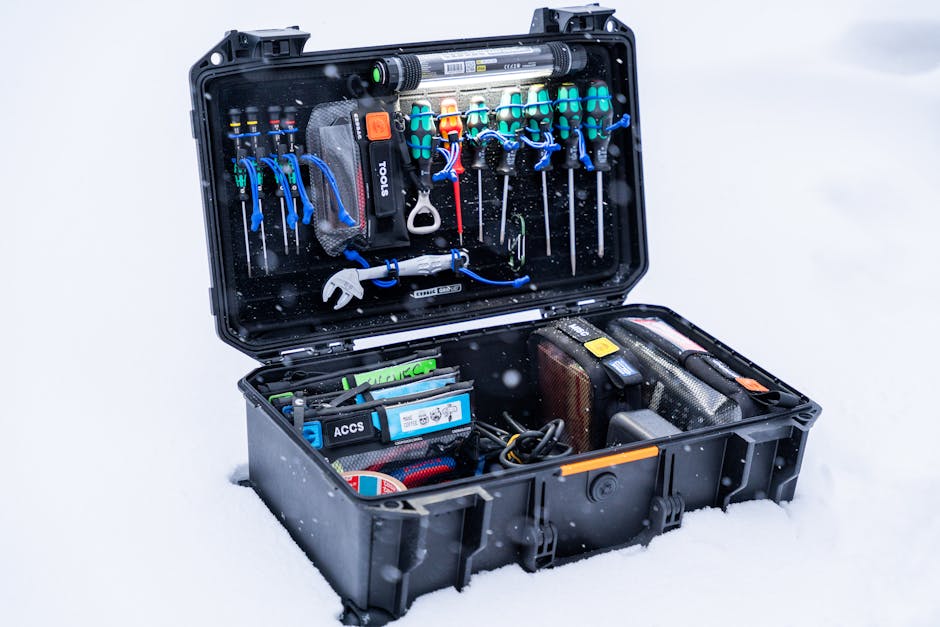

Are you ready to take control of your mobile fleet maintenance? Imagine having the power to ensure your vehicles are always in top condition, minimizing downtime, and maximizing efficiency.
The secret lies in having the right mechanic tools at your disposal. Whether you're a seasoned professional or a newcomer to fleet management, knowing exactly what tools you need can make all the difference. In this guide, we'll uncover the essential tools that will empower you to tackle any maintenance challenge with confidence.
Get ready to transform your fleet management strategy and keep your vehicles running smoothly. Keep reading to discover the must-have tools that will revolutionize your approach to mobile fleet maintenance.
Basic Hand Tools
Basic hand tools are essential for mobile fleet maintenance. They form the backbone of any mechanic's toolkit. These tools allow for quick fixes and routine checks on the go. Their portability makes them ideal for mobile operations. Having the right hand tools ensures efficiency and reliability in maintenance tasks.
Wrenches And Sockets
Wrenches and sockets are vital for loosening and tightening bolts. They come in various sizes to fit different nuts and bolts. An adjustable wrench is versatile and fits multiple bolt sizes. Socket sets provide a secure fit and better torque. Ratchet wrenches speed up the process with their back-and-forth motion. Keeping a range of these tools ensures readiness for any task.
Screwdrivers And Pliers
Screwdrivers are essential for driving screws in or out. They are available in flathead and Phillips types. Having both ensures you can handle any screw. Precision screwdrivers help with small or delicate screws. Pliers grip, bend, and cut wires or cables. Needle-nose pliers reach tight spots, while cutting pliers snip wires cleanly. These tools are crucial for electrical and mechanical tasks.
Hammers And Mallets
Hammers apply force to nails or fix parts into place. Claw hammers remove nails with ease. Ball-peen hammers are used on metal surfaces. They shape metal without damaging it. Rubber mallets provide force without marring surfaces. They are perfect for delicate parts or surfaces. Having both hammers and mallets prepares you for various tasks.
Diagnostic Equipment
Maintaining a mobile fleet efficiently requires a keen understanding of the vehicles' health, and diagnostic equipment is your best ally. Imagine being able to pinpoint issues before they escalate into costly repairs. Wouldn't that be a game-changer for your fleet maintenance routine? Let’s delve into some essential diagnostic tools that can transform how you manage your mobile fleet.
Obd-ii Scanners
OBD-II scanners are vital for any mobile fleet mechanic. They provide you with crucial data directly from a vehicle’s onboard computer. Whether it's an engine light that's been haunting you or a mysterious drop in fuel efficiency, these scanners can shed light on the problem.
With an OBD-II scanner, you can quickly read fault codes and understand the underlying issues. This helps you decide if a quick fix is possible or if a detailed repair is necessary. Have you ever considered how much downtime you could avoid with these insights at your fingertips?
Multimeters
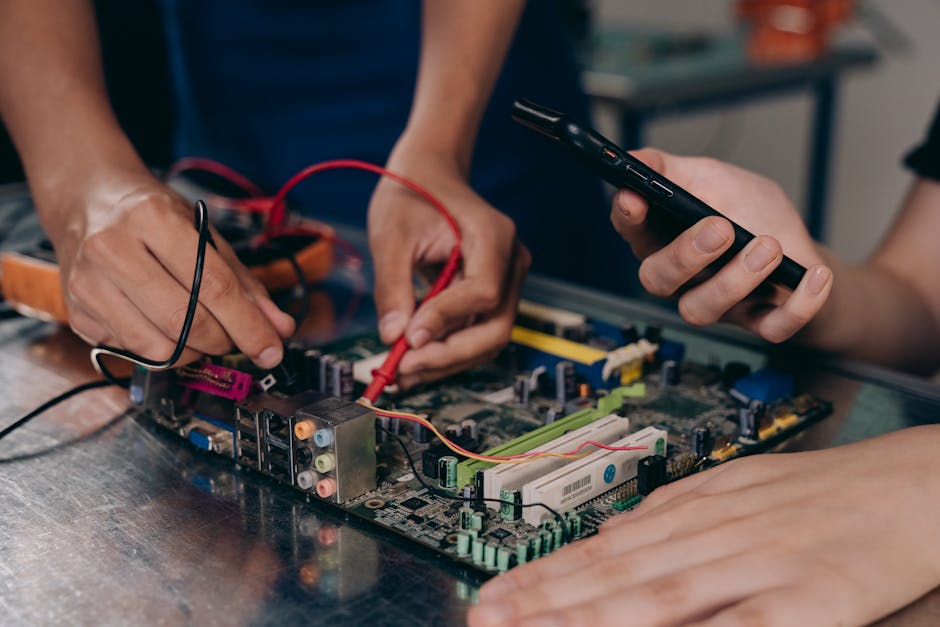
Electrical issues can be a nightmare without the right tools. Multimeters measure voltage, current, and resistance, helping you troubleshoot electrical problems efficiently. Imagine being stuck with a non-starting vehicle; a multimeter can be your savior in diagnosing battery and circuit problems.
By using a multimeter, you can ensure that your fleet's electrical systems are up to par. This tool is not just for emergencies; regular checks with a multimeter can prevent potential problems. How much peace of mind would that bring to your fleet operations?
Compression Testers
Compression testers are essential for assessing the health of an engine. They measure the pressure in the engine's cylinders and can indicate if there are internal issues. Low compression can lead to performance problems, and catching it early can save you from bigger headaches down the road.
Using a compression tester can provide you with early warnings about engine wear and tear. This tool helps you to make informed decisions about maintenance schedules and prevents unexpected breakdowns. Isn't it better to act on reliable data than to rely on guesswork?
Diagnostic equipment is not just about detecting problems; it's about empowering you to manage your fleet proactively. With these tools, you can ensure that every vehicle is in top shape, which ultimately enhances your fleet’s reliability and efficiency. What steps will you take to integrate these tools into your maintenance routine?
Lifting And Support Tools
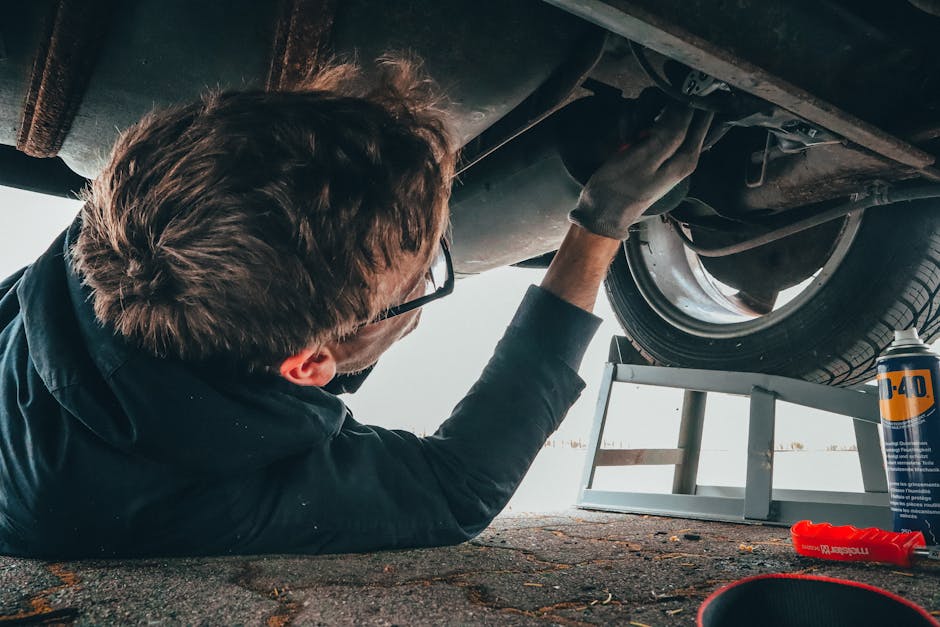
Maintaining a mobile fleet requires essential tools for safe lifting and support. Lifting tools ensure vehicles are elevated securely. Support tools stabilize vehicles during maintenance. Both are crucial for effective fleet servicing.
Floor Jacks
Floor jacks are vital for lifting vehicles quickly. They provide strong support. Easy to maneuver, they fit under various vehicles. Choose a floor jack with a suitable weight capacity for your fleet. Always check the jack's condition before use.
Jack Stands
Jack stands offer stable support once the vehicle is lifted. They prevent accidental drops. Select durable stands with adjustable heights. Ensure they match the weight of your fleet vehicles. Proper placement is crucial for safety.
Wheel Chocks
Wheel chocks keep vehicles from rolling while lifted. They enhance safety during maintenance. Place chocks on both sides of a tire. Choose chocks made of sturdy material. Check their grip on various surfaces.
Power Tools
Mobile fleet maintenance requires essential mechanic tools like socket sets, wrenches, and screwdrivers. Power tools such as impact drivers and drills enhance efficiency in repairs. Portable diagnostic equipment is vital for troubleshooting engine issues on-site.
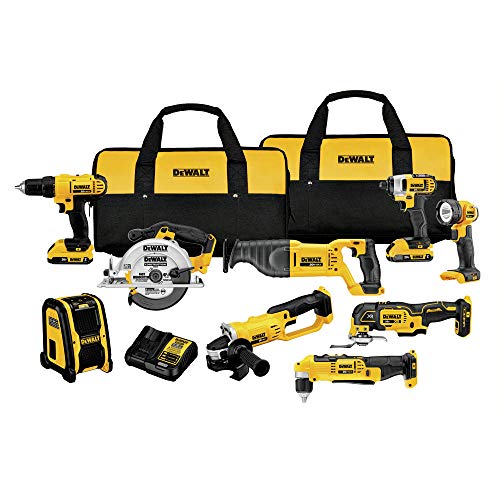
Power tools are the backbone of any efficient mobile fleet maintenance operation. These tools save time and increase productivity, allowing you to tackle tasks that would be difficult or even impossible with manual tools. But what power tools should be in your toolkit to ensure you're prepared for any maintenance challenge? Let's break it down.
Impact Wrenches
Impact wrenches are essential for quickly removing and tightening bolts. If you've ever struggled with a particularly stubborn lug nut, you know the relief that an impact wrench can bring. These tools are designed to deliver high torque output with minimal effort on your part. Imagine being on the side of the road with a flat tire. You need to change it fast, and an impact wrench can turn a potentially lengthy job into a matter of minutes. Choose a cordless model for maximum mobility, ensuring you can work anywhere, anytime.
Cordless Drills
Cordless drills are versatile and indispensable in mobile fleet maintenance. Whether you're drilling holes or driving screws, having a reliable cordless drill can make your job significantly easier. Opt for a model with adjustable speed settings for greater control. Picture this: you're installing new equipment in a vehicle and need to secure it firmly. A cordless drill allows you to work quickly without the hassle of cords getting in your way. Keep a set of various drill bits handy to tackle different materials and tasks.
Grinders And Sanders
Grinders and sanders are crucial for tasks that require smoothing surfaces or removing rust and paint. Keeping your fleet in top shape often means dealing with corrosion and surface imperfections. A quality grinder or sander can help you maintain the integrity and appearance of your vehicles. Think about the last time you noticed rust on a vehicle's bodywork. Addressing it promptly with a grinder can prevent further damage and costly repairs. Choose a compact model for ease of use in tight spaces, ensuring you can reach every nook and cranny. What power tools do you consider essential for your mobile fleet maintenance? Have they ever saved you in a pinch? By equipping yourself with the right tools, you're not just maintaining vehicles; you're ensuring your operation runs smoothly and efficiently.
Specialized Automotive Tools
Mobile fleet maintenance requires essential mechanic tools for efficiency. Wrenches, diagnostic scanners, and jacks are crucial for on-the-go repairs. Ensure all tools are organized for quick access, maximizing productivity.
Maintaining a mobile fleet requires specialized automotive tools that ensure efficiency and safety. These tools are essential for tackling specific tasks that standard tools simply can't handle. From fixing brakes to checking fluid levels, having the right tools makes your job smoother and quicker. You’ll find that these specialized tools not only save time but can also save money by preventing further damage. So, what tools should you have in your arsenal for mobile fleet maintenance?
Brake Service Tools
Brakes are critical for the safety of any vehicle, especially a fleet that’s constantly on the move. Brake service tools like brake bleeder kits and caliper tools are essential. They help you change brake pads and fluids efficiently. Imagine being on a tight schedule and needing to fix a brake issue; having these tools can be a lifesaver. What’s your plan if a brake line starts leaking during a service call?
Fluid Extractors
Fluid extractors are invaluable for quickly and cleanly removing fluids like oil, coolant, and brake fluid. These tools eliminate the need to crawl under the vehicle, speeding up maintenance tasks. Whether you’re changing oil in a remote area or dealing with a coolant spill, fluid extractors make the job less messy. Have you ever had to clean up an oil spill because you didn’t have the right tool?
Timing Light Tools
Timing light tools are crucial for ensuring that a vehicle's engine is firing at the correct time. This affects engine performance and fuel efficiency. A mistimed engine can lead to poor performance and even costly repairs. These tools help you check and adjust the timing quickly. Are you prepared to handle engine timing issues on the go? By investing in these specialized tools, you not only enhance your capabilities but also increase the reliability of your fleet. What tools do you rely on for your mobile fleet maintenance?
Safety Equipment
Safety equipment plays a crucial role in mobile fleet maintenance. Essential mechanic tools include wrenches, sockets, and screwdrivers. Protective gear like gloves and goggles ensures safety while working.
Mobile fleet maintenance demands a keen focus on safety. Proper safety equipment is vital for mechanics working in varied environments. It reduces the risk of injury and ensures compliance with safety standards. Mechanics must equip themselves with essential safety gear to work efficiently and safely. Below are key pieces of safety equipment necessary for mobile fleet maintenance.
Protective Clothing
Wearing protective clothing is crucial for mechanics. It shields against dirt, oil, and sharp objects. Coveralls made from durable material offer full-body protection. Fire-resistant options add an extra safety layer. Choose clothing that fits well for comfort and ease of movement. High-visibility clothing is recommended for work in low-light conditions.
Eye Protection
Eye protection is a must in mobile fleet maintenance. Safety glasses or goggles protect against flying debris and chemicals. They prevent injuries that could impair vision. Choose eyewear that meets safety standards. Ensure a comfortable fit to encourage consistent use. Tinted lenses help when working in bright sunlight.
Hearing Protection
Loud noises are common in vehicle maintenance. Hearing protection safeguards against long-term hearing damage. Earplugs or earmuffs reduce noise exposure. Select hearing protection that is comfortable for prolonged use. Noise-canceling earmuffs are effective in high-noise environments. Mechanics should always have them on hand for noisy tasks.
Storage And Organization
Effective storage and organization are crucial for mobile fleet maintenance. Technicians need quick access to tools on the go. A well-organized system saves time and boosts efficiency. It reduces the chances of lost or misplaced tools. Let's explore some key elements of a good storage and organization system.
Toolboxes And Cabinets
Toolboxes and cabinets are essential for storing mechanic tools. Durable toolboxes protect tools from damage. They keep tools safe from dust and moisture. Cabinets offer more space for larger tools. Select cabinets with lockable doors for added security. Choose portable options for easy transport.
Mobile Tool Carts
Mobile tool carts provide flexibility. They allow technicians to move tools to different locations. This is especially useful for large fleet maintenance jobs. Carts should have sturdy wheels for easy movement. Look for models with multiple shelves and drawers. This helps keep tools organized and within reach.
Labeling And Inventory Systems
Labeling and inventory systems enhance organization. Label each drawer and shelf clearly. This helps technicians find tools quickly. Use inventory systems to track tool usage. It ensures tools are returned after use. Implement digital systems for larger fleets. They provide real-time updates on tool locations.
Frequently Asked Questions
What Are Essential Tools For Fleet Maintenance?
Essential tools for fleet maintenance include diagnostic scanners, impact wrenches, and tire pressure gauges. These tools help in quick diagnosis and efficient repairs. Additionally, hydraulic jacks and portable air compressors are crucial for handling emergencies. Investing in quality tools ensures reliability and enhances service delivery for mobile fleet operations.
Why Is A Diagnostic Scanner Important?
A diagnostic scanner is vital for identifying engine and electronic issues swiftly. It helps mechanics pinpoint problems without manual guesswork, saving time and reducing errors. This tool is essential for maintaining fleet efficiency and minimizing downtime. Regular use ensures vehicles are running optimally, reducing long-term maintenance costs.
How Do Impact Wrenches Assist Mechanics?
Impact wrenches provide high torque output, ideal for loosening and tightening bolts. They are particularly useful for tire changes and suspension work. These tools save time and effort compared to manual wrenches, enhancing productivity. Compact designs make them suitable for mobile fleet operations, ensuring repairs can be done quickly.
What Role Does A Hydraulic Jack Play?
A hydraulic jack is crucial for lifting vehicles safely during repairs. It allows mechanics to access undercarriage components easily. This tool is essential for tire changes and inspections. Portable jacks are ideal for mobile fleet maintenance, ensuring operations can be conducted efficiently without a stationary setup.
Conclusion
Choosing the right mechanic tools boosts mobile fleet maintenance efficiency. Essential tools ensure quick fixes and prevent costly breakdowns. Regular check-ups keep vehicles running smoothly, minimizing downtime. Investing in quality tools helps mechanics work better and faster. Proper tools safeguard fleet reliability and enhance service delivery.
Mechanics equipped with the right tools maintain high standards and ensure fleet safety. Every tool serves a purpose, making maintenance effective and straightforward. A well-maintained fleet strengthens customer trust and business success. Remember, the right tools make all the difference in fleet management.
Keep your fleet in top shape with the right tools.