Are you ready to take your skills in Shielded Metal Arc Welding (SMAW) to the next level? Understanding the classification of hand tools in SMAW can be your secret weapon for achieving precision and efficiency.
This knowledge not only boosts your confidence but also sets you apart as a true professional in the field. Imagine the satisfaction of crafting flawless welds every time. In this guide, we’ll unravel the mystery behind the different types of hand tools used in SMAW, simplifying the process so you can focus on what you do best—welding like a pro.
Stick around and discover how mastering these tools can transform your work.
Types Of Hand Tools In Smaw
In Shielded Metal Arc Welding (SMAW), various hand tools are essential. These tools help the welder achieve precise and clean welds. Understanding each tool's function enhances the welding process. Below, we explore the key hand tools used in SMAW. Each plays a vital role in ensuring quality and efficiency.
Welding Hammers
Welding hammers are crucial in SMAW. They help remove slag from welds. Slag is a byproduct formed during welding. It's important to remove it to inspect the weld quality. Welding hammers have a chisel-like end. This design makes it easier to chip away unwanted material.
Wire Brushes
Wire brushes are used to clean metal surfaces. They remove rust, paint, and other debris. A clean surface is vital for a strong weld. Wire brushes come in different sizes. This variety allows the welder to choose the right brush for the job.
Chipping Tools
Chipping tools are similar to welding hammers. They help in removing slag and spatter. These tools are often used after the weld cools. Chipping tools ensure the weld area is smooth and clean. This step is essential for visual inspection and quality control.
Measuring And Marking Tools
When diving into the world of Shielded Metal Arc Welding (SMAW), understanding the right hand tools is crucial. Among these, measuring and marking tools play a pivotal role. They ensure precision and accuracy in your projects. From setting up your workpiece to making precise cuts, these tools are your silent partners in crafting excellence. Knowing how to use them effectively can make all the difference in your welding outcomes.
Tape Measures
Tape measures are indispensable in any welder's toolkit. They allow you to take accurate measurements of materials, ensuring you cut them to the right size. Using a tape measure is straightforward: extend it along the surface you're measuring and read off the length. But remember, precision is key. Double-check your measurements to avoid costly mistakes.
Have you ever had a project ruined by a small miscalculation? A quality tape measure can help you avoid such pitfalls. Look for features like a sturdy lock mechanism and a clear, easy-to-read scale. A tape measure with these attributes will serve you well, providing reliability and accuracy.
Dividers And Calipers
Dividers and calipers are essential for marking and measuring diameters, distances, and depths. They are perfect for projects requiring high precision. Using a divider, you can scribe arcs or circles with ease. Calipers, on the other hand, are great for measuring inside and outside dimensions.
Consider using digital calipers for more accuracy. They provide a digital readout, eliminating the guesswork involved with traditional calipers. Imagine the confidence boost when you know your measurements are exact. This precision can set your work apart, showcasing your attention to detail.
Soapstone Markers
Soapstone markers are a welder's best friend when it comes to marking metals. They create visible lines that withstand the high temperatures of welding. These lines can be easily wiped off after the job is done, leaving no permanent marks.
Have you ever tried marking metal with a pencil or pen, only to see the marks disappear under heat? Soapstone markers solve this problem effortlessly. They provide clear, heat-resistant lines that guide your cuts and welds. Choose a soapstone holder for convenience, allowing you to adjust the marker length and keep your hands clean.
What measuring and marking tools have you found most effective in your projects? Share your experiences and tips in the comments below. Your insights could help fellow welders achieve their best work.
Cutting And Shaping Tools
Cutting and shaping tools are crucial in SMAW (Shielded Metal Arc Welding). These tools help in preparing and refining metal surfaces for welding. They ensure precise cuts and shapes, making them essential for clean and efficient welding processes.
Files
Files are indispensable in shaping and smoothing metal edges. They come in various shapes and sizes, each suited for different tasks. Flat files are used for general shaping, while round files assist in smoothing curved surfaces. Proper use of files prevents metal burrs, ensuring a clean finish.
Chisels
Chisels are vital for cutting and removing metal. They are designed to chip away excess material, creating precise edges and shapes. Cold chisels are commonly used in SMAW, offering durability for heavy-duty tasks. Always use sharp chisels for efficient cutting.
Metal Shears
Metal shears are perfect for cutting sheet metal. They provide clean, straight cuts with minimal effort. Manual shears are great for small projects, while powered shears handle larger tasks. Using metal shears saves time and enhances precision in metal preparation.
Clamping And Holding Tools
In SMAW welding, having the right tools is crucial. Clamping and holding tools play a vital role. They ensure workpieces stay secure during welding. These tools prevent movement, ensuring precise welds. Different tools serve various purposes. Below, we explore common clamping and holding tools.
C-clamps
C-Clamps are versatile in welding tasks. They come in different sizes. C-Clamps hold metal pieces tightly together. Their screw mechanism allows easy adjustment. They are easy to use and reliable. C-Clamps are essential for stable welding operations.
Vice Grips
Vice Grips offer strong clamping force. They are adjustable and lock in place. These tools are excellent for irregular shapes. Vice Grips provide a firm grip on metal. They are known for their durability and strength. A must-have in every welder's toolkit.
Bench Vises
Bench Vises provide a stable base for welding. They are mounted on workbenches. Bench Vises can hold large and small pieces. Their jaws grip tightly, ensuring no movement. Bench Vises are durable and withstand heavy use. Ideal for consistent, secure clamping.
Safety And Protective Gear
In SMAW welding, safety is a top priority. Protective gear is essential to ensure safety during welding. Proper equipment protects against burns, harmful rays, and flying debris. Wearing the right gear minimizes risks and enhances focus on the task.
Welding Helmets
Welding helmets shield the face from sparks and intense light. A good helmet has an adjustable visor for better visibility. Auto-darkening helmets adjust to the welding arc, offering convenience. They protect the eyes from harmful UV and infrared rays.
Gloves
Gloves are vital for hand protection in welding. They safeguard hands from burns and cuts. Leather gloves are durable and resist high temperatures. Choose gloves with a snug fit for better dexterity.
Aprons
Aprons protect the body from sparks and hot materials. They are made from flame-resistant materials like leather. Aprons cover the front of the body, offering added safety. They are essential for welders working with high heat.
Maintenance And Care
Hand tools in SMAW are classified by function and purpose. They include hammers, chisels, and clamps. Each tool plays a crucial role in ensuring precise and safe welding.
Maintaining and caring for your SMAW hand tools is essential to ensure their longevity and effectiveness. Just as you wouldn't drive a car without regular oil changes, neglecting your tools can lead to reduced performance and potential safety hazards. Proper maintenance involves a few simple but crucial steps that can save you time and money in the long run. Let's dive into the best practices for keeping your tools in top shape.
Cleaning Techniques
After each use, cleaning your tools should be a priority. Dirt and debris can accumulate quickly, affecting the tool's functionality. Use a soft brush to remove loose particles. For tougher grime, a damp cloth with mild soap works wonders. Remember, a clean tool is a happy tool! If you've ever seen a rusty hammer, you know what I mean—rust can be a tool's worst enemy. Keeping your tools dry is key to preventing rust.
Storage Solutions
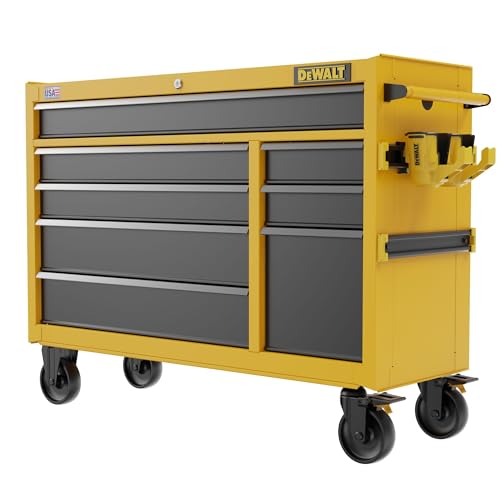
Where you store your tools matters as much as how you clean them. A toolbox with separate compartments can help prevent damage from tools clashing against one another. Consider hanging heavier tools on a pegboard for easy access. Avoid damp places; moisture can lead to rust, which can reduce the lifespan of your tools. Think about how you felt when you lost a tool, only to find it months later in poor condition—proper storage can prevent this heartbreak.
Regular Inspections
Inspect your tools regularly for signs of wear and tear. Are the handles intact? Is there any rust developing? These inspections should be routine. Repairing minor issues before they become major problems can extend the life of your tools. For instance, tightening a loose screw can prevent a tool from falling apart during use. What small issues have you overlooked that could become costly later? Taking the time to properly maintain your hand tools can ensure they serve you well for years. What steps will you take today to improve your tool care routine?
Frequently Asked Questions
What Are Hand Tools In Smaw?
Hand tools in SMAW include equipment like hammers, wire brushes, and chipping tools. These tools help in preparing and finishing welds. They ensure the weld is smooth and free of slag. Proper use of hand tools improves the quality of the weld and enhances safety.
How Are Smaw Hand Tools Classified?
SMAW hand tools are classified based on their function in welding tasks. Common categories include cleaning tools, cutting tools, and shaping tools. Each type serves a specific purpose, aiding in different stages of the welding process. Proper classification helps in selecting the right tool for the job.
Why Is Tool Classification Important In Smaw?
Tool classification is crucial for efficiency and safety in SMAW. It helps welders choose appropriate tools, reducing time and errors. Understanding tool classification ensures effective workflow and enhances the quality of welds. It also minimizes the risk of accidents and equipment damage.
What Role Do Cleaning Tools Play In Smaw?
Cleaning tools are essential for removing slag and impurities from welds. They ensure a clean surface for quality welding. Wire brushes and chipping hammers are commonly used cleaning tools. Proper cleaning enhances the strength and appearance of the weld, ensuring a professional finish.
Conclusion
Understanding the classification of hand tools in SMAW is essential. It helps in selecting the right tool for each task. Safety improves when using the correct tools. Efficiency increases, saving time and effort. Knowledge of these tools enhances skills in welding.
It also reduces the risk of accidents. Always choose tools that fit your needs. Keep them in good condition for best results. Happy welding and stay safe.