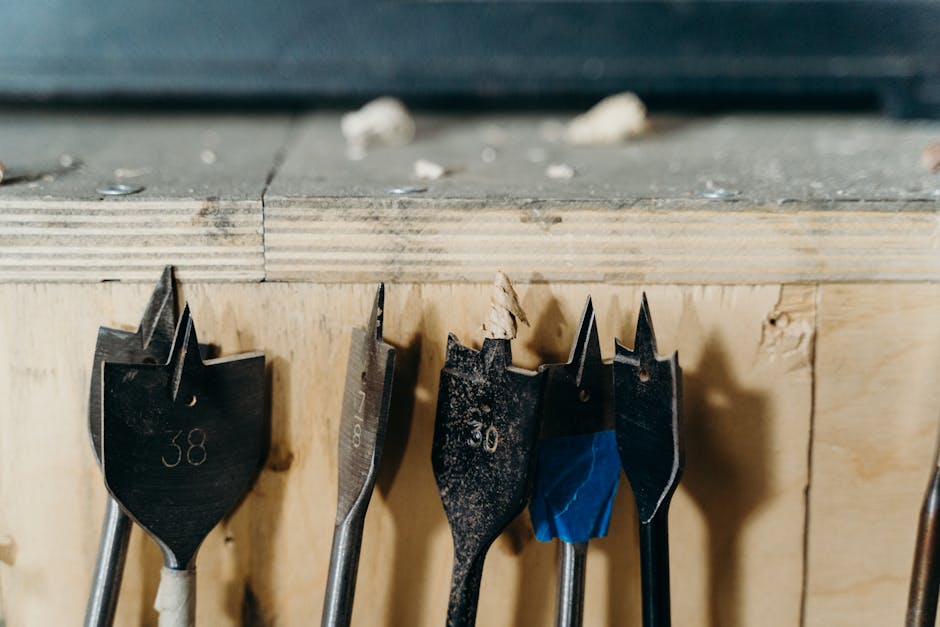
Rusty hand tools can be a real frustration, can't they? Not only do they look unsightly, but they can also affect the efficiency of your work.
If you've ever found yourself reaching for a screwdriver or wrench only to be met with a stubborn layer of rust, you're not alone. The good news is that you don't have to put up with it any longer. Imagine the satisfaction of seeing your tools gleam like new, ready to tackle any task you throw at them.
You'll discover simple yet effective methods to remove rust from your hand tools. By the end, you'll be equipped with the knowledge to restore your tools and keep them in top condition. Ready to bring your tools back to life? Let's dive in!
Common Causes Of Rust
Rust is a common enemy of hand tools. It can cause damage and reduce their lifespan. Understanding the common causes of rust can help prevent it. Let's explore the factors that lead to rust on hand tools.
1. Moisture Exposure
Moisture is the primary cause of rust. When tools come in contact with water, they rust. This happens if tools are left outside or in damp areas. Even a small amount of moisture can lead to rust formation.
2. Humidity
Humidity in the air can cause rust. High humidity levels mean more moisture in the air. This moisture settles on tools, creating ideal conditions for rust. Storing tools in a dry place can reduce this risk.
3. Lack of Protective Coatings
Tools without protective coatings are more prone to rust. Coatings act as a barrier against moisture. Without them, tools have no protection from rust. Regular maintenance can help preserve these coatings.
4. Improper Storage
Storing tools improperly can lead to rust. Leaving them in open or wet areas is risky. Always store tools in a dry, clean place. Use cabinets or toolboxes for better protection.
5. Environmental Factors
Air pollution and salty air can cause rust. Areas near the sea have salty air, which speeds up rusting. Protecting tools in such environments is crucial. Use protective oils or waxes to guard against these elements.
Preventative Measures
Removing rust from hand tools can be a tedious task. You can avoid it by taking a few simple preventative measures. Proper storage and regular maintenance are key. These practices will keep your tools in great condition.
Proper Storage
Store your tools in a dry place. Moisture is a major cause of rust. Consider using a toolbox with a lid. This keeps dust and moisture away. A dehumidifier in your workspace can also help. It reduces humidity levels in the air.
Use silica gel packs in your toolbox. These absorb moisture and protect your tools. Ensure your tools are clean before storing. Dirt and moisture can lead to rust.
Regular Maintenance
Inspect your tools regularly. Check for signs of rust or wear. Clean them after each use. Wipe them down with a dry cloth. This removes any dirt or moisture.
Apply a light coat of oil to metal parts. This creates a barrier against moisture. Use a rust inhibitor spray for extra protection. This keeps rust from forming on your tools.
Sharpen and oil blades often. Dull blades can lead to rust and wear. Proper maintenance extends the life of your tools.
Natural Rust Removal Methods
Remove rust from hand tools using natural methods like vinegar or baking soda. Soak tools in vinegar overnight. Scrub gently with a brush. Baking soda and water paste works too. Apply, let sit, and scrub. These methods restore tools without harsh chemicals.
Natural rust removal methods offer eco-friendly solutions for hand tool care. These methods use household items to gently remove rust, keeping tools in good condition. They are cost-effective and avoid harsh chemicals, making them safe for you and your environment.
Vinegar Soak
Vinegar is a powerful rust remover. Its acidic nature dissolves rust effectively. Submerge the rusty tool in white vinegar. Let it soak overnight for best results. After soaking, scrub the tool with a brush. This helps remove softened rust. Rinse the tool with water and dry it completely. This prevents future rust formation. Vinegar is affordable and easily available.
Baking Soda Paste
Baking soda is a gentle rust remover. Mix baking soda with water to form a paste. Apply this paste to the rusty areas of the tool. Leave it for a few hours to work its magic. Scrub the paste off with a brush. This removes rust without damaging the tool. Rinse the tool thoroughly and dry it well. Baking soda is non-toxic and safe to use.
Commercial Rust Removal Products
Rust on hand tools can be frustrating. Commercial rust removal products offer a quick and effective solution. These products restore your tools' functionality without much hassle. They are readily available and easy to use. Let's explore some popular options.
Rust Remover Gels
Rust remover gels are a favorite for many. They are thick and cling to surfaces. This ensures deep penetration into rusted areas. Apply the gel and let it sit. It breaks down rust effectively. Most gels are non-toxic and safe. After use, rinse the tool thoroughly. Your tool will look almost new.
Metal Polishes
Metal polishes not only remove rust. They also restore shine to your tools. These polishes are easy to apply. Use a soft cloth for best results. Rub the polish onto the rusted area. It cleans and brightens the metal surface. Regular use prevents future rust buildup. Metal polishes also protect against corrosion.
Diy Rust Removal Techniques
Rust can damage your hand tools over time. But there are simple methods to save them. Using common household items, you can restore your tools. These DIY rust removal techniques are easy and effective. Let's explore a few methods.
Lemon And Salt
Lemon and salt can work wonders on rust. First, sprinkle salt on the rusted area. Then, squeeze lemon juice over it. Let the mixture sit for two hours. The acidity in the lemon breaks down rust. Afterward, scrub with a brush or steel wool. Rinse with water and dry the tool thoroughly. This method is natural and safe.
Potato And Dish Soap
This method sounds unusual but works well. Cut a potato in half. Apply dish soap to the cut side. Place the potato on the rusted spot. Leave it for a few hours. The oxalic acid in potatoes removes rust. Dish soap boosts the cleaning process. After waiting, scrub the area with the potato. Rinse and dry the tool completely. It's a surprising but effective technique.
Restoring Tool Functionality
Restoring the functionality of hand tools can extend their lifespan. Rust can cause damage and reduce efficiency. Thankfully, you can bring them back to life. Let's explore sharpening and lubrication to ensure smooth operation.
Sharpening Edges
Sharp edges improve the performance of tools. Rust can dull these edges over time. Use a sharpening stone or file to restore them. Start by cleaning the tool with a wire brush. Then, gently run the stone along the edge. Keep the angle consistent for best results. Repeat until the edge is sharp and smooth.
Lubrication
Lubrication prevents future rust and ensures smooth operation. After removing rust, apply a thin layer of oil. Use a cloth to spread it evenly over metal surfaces. This creates a protective barrier. Regular lubrication keeps tools in top shape.
Long-term Protection Tips
Keeping your hand tools free from rust is not just a one-time task; it's about long-term protection. Rust can creep in slowly, and before you know it, your tools might be beyond saving. So, how do you keep rust at bay for good? The answer lies in consistent and proactive measures. Let’s dive into some practical tips that could save your tools from the relentless grip of rust.
Anti-rust Coatings
One effective way to protect your tools is by applying anti-rust coatings. These coatings create a barrier between the metal surface and moisture, preventing rust from forming.
Consider using products like WD-40 or specialized rust-preventive sprays. A light spray after each use can work wonders. You might think it’s unnecessary, but this simple step could extend your tool's lifespan significantly.
If you’re like me, you might have skipped this step in the past. But after seeing how my grandfather’s ancient wrenches look almost new due to regular coatings, I never miss it now.
Humidity Control
Rust thrives in humid environments. Keeping your tools dry is crucial. Do you store your tools in a damp basement or garage? This could be why they’re rusting.
Think about investing in a dehumidifier for your tool storage area. It’s an upfront cost, but it pays off in keeping your tools rust-free. Even small silica gel packets can absorb excess moisture.
Next time you’re arranging your tool shed, ask yourself: Is this area dry enough? A little tweak in your storage approach could make a big difference.
Have you tried these tips already? What was your experience like? Share your thoughts and help others keep their tools in perfect condition!
Frequently Asked Questions
How Do You Remove Rust Naturally?
You can remove rust naturally using vinegar or lemon juice. Soak the tool in vinegar for a few hours. Scrub off the rust with a brush. Lemon juice mixed with salt works similarly. These methods are eco-friendly and effective for light rust.
Can Baking Soda Remove Rust From Tools?
Yes, baking soda can remove rust effectively. Make a paste with water and apply it to the rusted area. Let it sit for a few hours. Scrub off the rust with a brush or cloth. Baking soda is gentle and won't damage the tool.
What Is The Best Rust Remover For Hand Tools?
White vinegar is highly effective for removing rust. It's affordable, natural, and easy to use. For stubborn rust, commercial rust removers can be more effective. Follow instructions carefully to avoid damaging tools. Choose a remover based on your tool's material and rust severity.
Is Wd-40 Good For Removing Rust?
WD-40 can help remove rust from tools. Spray WD-40 on the rusted area and let it sit for a few minutes. Scrub the rust off with a brush or cloth. It's also good for preventing future rust with regular application.
Conclusion
Removing rust from hand tools doesn't need to be complex. Simple steps can restore them. Clean the tools with vinegar or baking soda. Scrub gently with a wire brush. Dry them completely to prevent future rust. Remember to oil the tools for protection.
Regular maintenance keeps them in top shape. Check your tools often for signs of rust. Repair small rust spots quickly. This saves time and extends tool life. Enjoy using rust-free tools for your projects. Keep your workspace efficient and tools reliable.
Happy crafting!