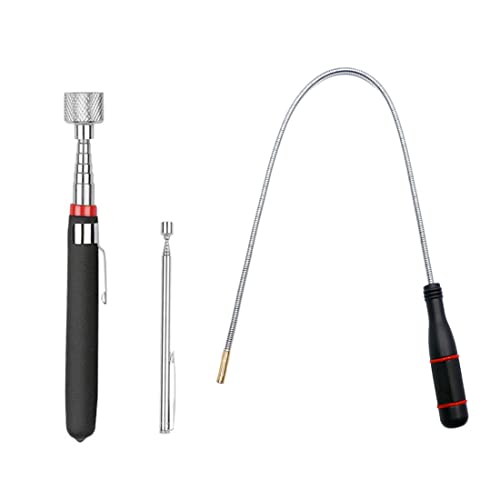
Have you ever picked up a tool and found your hands mysteriously smudged with black? You might wonder what's causing this and if it's something to worry about.
Black oxide coating is a common finish on tools, known for its sleek appearance and corrosion resistance. But does it have an unintended side effect of leaving your hands dirty? We dive deep into the truth behind black oxide on tools and its impact on your hands.
Discover whether this popular coating is a friend or foe to your grip. Stay with us to learn how to keep your tools—and hands—in top shape.
Black Oxide Coating Basics
Black oxide coating is a popular finish for tools. It gives them a sleek look. This coating is not just for aesthetics. It provides several benefits. Some worry about it leaving black marks on hands. Understanding the basics can clarify this concern.
Purpose Of Black Oxide
Black oxide adds a protective layer. It helps prevent rust. This coating also reduces glare. Tools with this finish are less slippery. They provide a better grip. This is vital for safety and efficiency. Black oxide can also improve durability. Tools last longer with this coating.
Materials Commonly Used
Various metals receive black oxide treatment. Steel is a common choice. Iron and stainless steel also undergo this process. Each material benefits from the coating. It enhances their natural properties. The result is a more reliable tool.
How Black Oxide Is Applied
Black oxide is a common finish applied to tools to enhance their durability and aesthetic appeal. But have you ever wondered how exactly this coating is applied? Understanding the process can shed light on why your tools might leave black residue on your hands.
Application Methods
There are primarily two methods to apply black oxide: hot and cold processes. The hot process involves submerging the tools in a heated alkaline solution. This method creates a more durable finish but requires specialized equipment and safety measures due to the high temperatures involved.
On the other hand, the cold process is more accessible for smaller workshops or DIY enthusiasts. It doesn't require heating, making it safer and easier to handle. However, the finish might not be as durable as the hot process. Have you ever tried applying black oxide at home?
Chemical Process
The chemical process of black oxide involves a fascinating interaction between the tool surface and the solution. The tools are cleaned thoroughly to remove any oil or dirt. Then, they are dipped into a chemical bath that reacts with the iron on the surface.
This reaction forms a layer of magnetite, or black iron oxide, which bonds tightly to the tool. This layer is what gives the tool its characteristic dark finish. Have you noticed this layer sometimes rubs off when the tool is new? That’s because the excess oxide hasn't been sealed or wiped off completely.
The key takeaway is that while black oxide provides an attractive and protective finish, the method of application and subsequent sealing can affect whether it leaves marks on your hands. Next time you pick up a new tool, remember the journey it has gone through to get that sleek black appearance. How important is the appearance versus the practicality of the tool for you?
Black Oxide And Tool Durability
Black oxide is a common finish on tools. It enhances their durability. This coating provides several benefits for tools, improving their lifespan. But does it transfer black onto hands? Let's explore how black oxide impacts tool durability.
Corrosion Resistance
Black oxide offers corrosion resistance. It forms a protective layer on tools. This barrier guards against rust and moisture. Tools last longer without corrosion damage. A great advantage for those using tools in wet conditions.
Wear Protection
Black oxide adds wear protection. It reduces friction between surfaces. Tools with this coating wear out less. The protective layer minimizes surface damage. Tools stay functional for more extended periods. A helpful feature for high-use environments.
Potential For Transfer To Hands
Tools with black oxide coatings are popular for their durability and rust resistance. Yet, many users wonder if these tools can leave marks on their hands. Understanding this potential transfer is crucial for professionals and DIY enthusiasts. Let's explore the factors that influence this transfer and share common user experiences.
Factors Influencing Transfer
Several factors can affect whether black oxide transfers to hands. The quality of the coating is a major factor. High-quality coatings are less likely to rub off. The age of the tool also plays a role. Older tools may have worn coatings, increasing transfer chances. Usage frequency impacts transfer too. Tools used often may show more wear, leading to residue. Humidity and moisture levels can also influence transfer. Sweat or wet hands can enhance the likelihood of black oxide marks.
Common Experiences
Many tool users have shared their experiences regarding black oxide transfer. Some report no residue at all. This often correlates with high-quality, well-maintained tools. Others notice slight discoloration after extended use. This is more common with older or frequently used tools. A few users mention significant transfer, especially with cheaper tool brands. These experiences highlight the importance of quality and maintenance. Regular cleaning can reduce the chances of black oxide marking hands.
Safety And Handling Precautions
Handling tools with a black oxide finish requires care. The black oxide coating can sometimes leave a residue on your hands. This is usually harmless, but it is always best to take precautions. You can keep your hands clean and safe by following some simple guidelines.
Protective Gear Recommendations
Wear gloves while handling black oxide tools. This simple step reduces contact with the coating. Choose gloves made of rubber or nitrile for the best protection. Ensure the gloves fit well to maintain dexterity and control. Goggles are also a good idea. They protect your eyes from any particles or residues.
Proper Handling Techniques
Handle tools with care to avoid unnecessary residue transfer. Store them in a dry, clean place. This helps maintain the quality of the coating. Clean your tools regularly using a soft cloth. Wipe them down after each use to remove any buildup. Avoid touching your face or clothing while handling tools. This prevents any transfer of the black oxide residue.
Comparing Black Oxide To Other Coatings
Black oxide coatings on tools might leave a black residue on your hands. This happens more often with new tools. Regular use tends to reduce this effect.
When you're working with tools, it's crucial to understand the impact of different coatings, especially when it comes to your hands getting blackened during use. Black oxide is a popular coating for tools, but it’s not alone in the market. Let's dive into how black oxide compares to other coatings and what you might expect from each option.
Alternative Coating Options
There are several coatings available beyond black oxide. Each has its own set of characteristics that might suit your needs better. - Chrome Plating: Known for its shiny finish and excellent rust resistance. However, it might chip off if tools are dropped or mishandled. - Zinc Plating: Offers corrosion resistance and is often cheaper. It might not be as durable as other coatings under heavy use. - Powder Coating: Provides a thick and durable finish with a variety of colors. It's less prone to chipping but can be more costly. These alternatives can offer different benefits. Understanding what you need most—durability, cost-effectiveness, appearance—will guide you to the right choice.
Advantages And Disadvantages
Black oxide offers a sleek appearance and some level of corrosion resistance. It’s not as durable as chrome plating but usually more affordable. - Advantages: - Provides minimal reflection, reducing glare. - Doesn't add much thickness to tools, maintaining precision. - Often cheaper than more heavy-duty options like powder coating. - Disadvantages: - Can rub off onto hands, especially when tools are new or wet. - Offers less corrosion resistance compared to other coatings like zinc or chrome. Every time you grab a tool, you might wonder if there's a better option that won’t leave your hands dirty. If you’re frustrated with black oxide rubbing off, consider trying tools with chrome or powder coatings for a cleaner experience. As you weigh these options, think about what's most important for your tools. Is it the aesthetic appeal, the cost, or perhaps the durability? Each coating has its strengths and weaknesses, and recognizing your priorities will help in making the best choice. Have you ever faced issues with black oxide on your tools, or found a coating that works perfectly for you? Your experiences could be the key to finding the perfect coating solution for your toolkit.
Frequently Asked Questions
Does Black Oxide Transfer To Hands?
Black oxide can sometimes transfer to hands, especially if the coating is fresh. This might happen due to moisture or sweat. However, the transfer can be minimized with proper handling and usage. Regular cleaning and drying of tools can also help reduce this issue significantly.
How To Prevent Black Oxide Transfer?
To prevent black oxide transfer, ensure tools are dry and clean before use. Wearing gloves can also help minimize direct contact. Regular maintenance and proper storage in a dry area can further reduce the chances of black oxide transferring to your hands.
Is Black Oxide Harmful To Skin?
Black oxide itself is not harmful to skin. However, prolonged exposure without proper cleaning may cause irritation. It's advisable to wash hands after handling tools with black oxide. Using gloves can also provide an added layer of protection against any potential irritation.
Does Moisture Affect Black Oxide Coating?
Yes, moisture can affect black oxide coating, leading to potential transfer. It can also cause the coating to wear off faster. Keeping tools dry and stored in a controlled environment can help maintain the integrity of the coating.
Conclusion
Black oxide on tools may leave marks on hands. This is common with some tool finishes. Regular cleaning can help reduce this effect. Consider wearing gloves for protection. Black oxide offers corrosion resistance. It is a practical choice for many tools.
The finish does not affect tool performance. Tool care is important for longevity. Keep tools dry and clean for best results. Understanding finishes helps in making informed choices. Choose what's right for your needs. Happy working with your tools!