
Are you ready to transform a solid piece of hard wood into a masterpiece? With the right hand tools and techniques, you can shape even the toughest wood into stunning furniture or intricate carvings.
Imagine the satisfaction of creating something beautiful with your own hands, feeling the texture of the wood, and seeing your vision come to life. You might think that working with hard wood is difficult, but with a bit of guidance, patience, and the right tools, you can achieve impressive results.
This article will show you how to use hand tools effectively to shape hard wood, making the process less daunting and more enjoyable. Let's dive into the world of hand tools and discover how you can turn your woodworking dreams into reality.
Choosing The Right Hand Tools
Shaping hard wood requires the right hand tools. Selecting the correct tools makes the job easier. It also ensures a smooth and precise finish.
Choosing tools can be overwhelming. With many options, it's crucial to understand their uses. This helps in crafting beautiful woodwork pieces efficiently.
Essential Tools For Woodworking
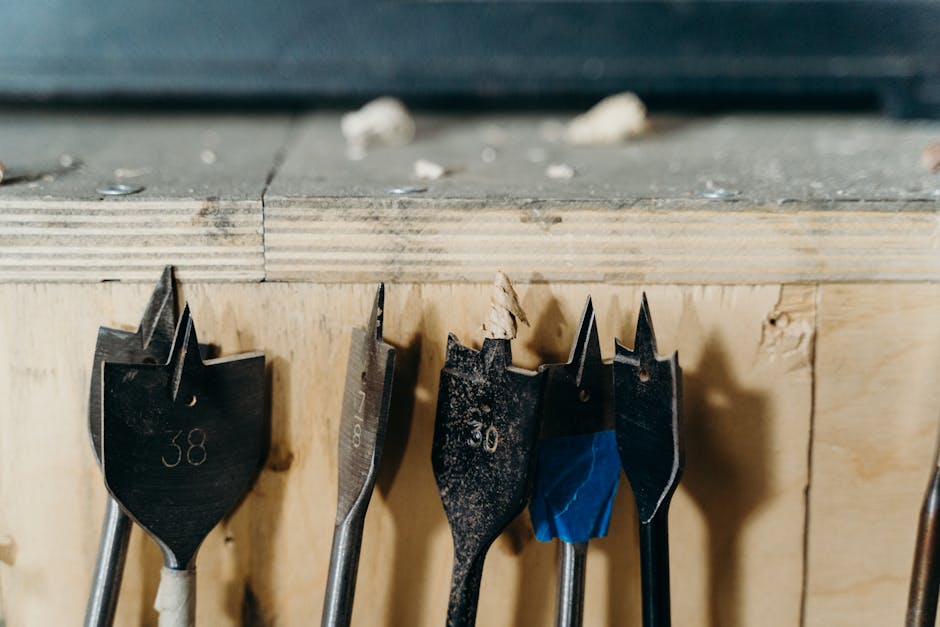
Certain tools are vital for woodworking. A handsaw is crucial for cutting wood. It allows for straight and clean cuts. A chisel is another essential tool. It carves and shapes wood with precision.
Planes are used for smoothing surfaces. They help in achieving a polished finish. A mallet is needed to drive chisels into wood. It provides the force needed without damaging the tool.
Understanding Tool Functions
Each tool has a specific function. Understanding these functions enhances your craftsmanship. A rasp is used for rough shaping. It removes large amounts of wood quickly.
A file refines the shape and smooths edges. It creates detailed and intricate designs. A marking gauge is essential for accuracy. It helps in measuring and marking wood precisely.
Quality Vs. Budget Tools
Quality tools offer durability and precision. They are often a good investment for serious woodworkers. Budget tools are more affordable. They can be suitable for beginners or hobbyists.
Consider the frequency of use. Investing in quality tools is wise for regular projects. For occasional tasks, budget tools might suffice.
Preparing The Work Area
Creating a clean workspace ensures safety and efficiency. Remove all clutter and set up tools within reach. Use a stable workbench for a solid base while shaping hard wood.
Preparing the work area is crucial for shaping hardwood. A well-organized space ensures safety and efficiency. This section covers essential steps to prepare your workspace. It includes setting up a safe environment and organizing tools.
Setting Up A Safe Workspace
Safety should be your priority. Ensure the area is free from hazards. Clear away clutter on the floor. Remove any unnecessary items. Make sure you have proper lighting. Good visibility reduces mistakes. Wear protective gear like gloves and goggles. Protect yourself from splinters and dust. Set up a sturdy workbench. It should be stable and at a comfortable height. Use clamps to secure the wood. This prevents slipping during work. Keep a first aid kit nearby. Be prepared for minor injuries.
Organizing Tools Efficiently
Organized tools save time and effort. Arrange them within easy reach. Use pegboards or tool racks. Keep frequently used tools at eye level. Categorize tools by function. Group similar items together. For example, keep chisels with other cutting tools. Label shelves and drawers. This helps find tools quickly. Clean tools after use. Remove dust and debris. Store them properly to prevent damage. Regular maintenance extends tool life. Check for wear and tear. Replace damaged tools immediately.
Selecting The Right Wood
Choosing the right wood is crucial for shaping hard wood. Hardwoods vary in properties and characteristics. Each type offers unique benefits for woodworking projects. Understanding these differences helps in selecting the ideal wood for your needs. Consider the wood's grain patterns and characteristics. This ensures the final product meets your expectations.
Types Of Hardwood
Hardwoods come from deciduous trees. They include oak, maple, and walnut. Oak is strong and durable. Perfect for furniture and flooring. Maple has a fine texture and is easy to finish. Ideal for cabinets and musical instruments. Walnut features rich colors and patterns. Great for decorative pieces.
Grain Patterns And Characteristics
Grain patterns influence a wood's appearance. Straight grain is uniform and easy to work with. Curly grain offers unique visual appeal. The grain affects the wood's strength and flexibility. Choose straight grain for structural projects. Curly grain is ideal for decorative elements. Wood characteristics include density and hardness. Dense woods are more durable. Hard woods resist scratches and dents. Consider these traits when selecting your wood.
Techniques For Shaping Wood
Shaping hard wood can be challenging yet rewarding. Using hand tools offers precision and control. With the right techniques, you can create smooth surfaces and intricate designs. This guide covers essential methods for shaping hard wood effectively.
Planing And Smoothing
Planing removes rough wood layers. It leaves a smooth, even surface. Choose a sharp plane for best results. Apply steady pressure and move with the wood grain. This prevents tearing the wood fibers.
Smoothing requires patience. Use a finer plane or sandpaper. It refines the wood's surface. Always sand with the grain. This ensures a clean, polished finish.
Chiseling Techniques
Chiseling is perfect for detailed work. It shapes and carves the wood. Hold the chisel at a low angle. This controls depth and precision. Tap gently with a mallet for more force.
Keep the chisel sharp. Dull tools can damage wood. Always chisel along the grain. This reduces the risk of splitting.
Sawing Methods
Sawing is essential for cutting wood. Choose the right saw for your task. A crosscut saw works well for cutting across the grain. A rip saw is ideal for cutting along the grain.
Use steady, even strokes. This ensures a clean cut. Avoid forcing the saw through the wood. Let the saw do the work.
Maintaining Hand Tools
Shape hard wood effectively with well-maintained hand tools. Keep them sharp and clean for precise cuts. Regularly check for damage to ensure safety and efficiency in your woodworking projects.
Maintaining your hand tools is just as important as using them correctly. Proper maintenance not only extends the life of your tools but also ensures that they perform efficiently. Neglecting upkeep can result in poor craftsmanship and increased effort in your woodworking projects. Let's dive into the essentials of keeping your hand tools in prime condition.
Sharpening Blades
A sharp blade is crucial for working with hardwood. Dull blades can splinter wood and require more force to use, leading to errors. Regularly inspect your blades for signs of dullness. Use a sharpening stone or a honing guide to restore the edge. Keep the angle consistent to avoid uneven sharpening, which can damage the tool. Consider investing in a quality sharpening kit; it makes a noticeable difference in your work. Once, I ignored sharpening my plane blade, thinking it was 'sharp enough.' The result? A ragged edge on a beautiful piece of oak. Lesson learned. Sharpening ensures cleaner cuts and less frustration.
Preventing Rust And Corrosion
Rust is the enemy of metal tools. It weakens them and reduces their effectiveness. After each use, wipe your tools with a clean, dry cloth to remove moisture and sawdust. Store tools in a dry place. Consider using a dehumidifier if your workspace is prone to dampness. Applying a thin layer of oil can also act as a barrier against moisture. Do you remember the last time you picked up a rusted chisel? It’s not just unsightly; it makes precise work nearly impossible. Regularly oiling your tools takes just minutes but saves you from future headaches. Maintaining your hand tools might seem tedious, but it pays off when you’re gliding through hardwood with ease. So, what’s your next step towards better tool care?
Common Mistakes To Avoid
Avoid using dull tools, as they can damage wood and cause frustration. Ensure correct grip and angle to prevent unwanted cuts. Neglecting safety gear might lead to injuries; always prioritize safety with gloves and goggles.
Shaping hard wood with hand tools can be incredibly satisfying, but it's easy to make mistakes that can ruin your project. Understanding these common pitfalls can save you time and frustration. Whether you're a seasoned woodworker or just starting out, avoiding these errors will help you achieve better results and enjoy the process more.
Overworking The Wood
One of the most frequent mistakes is overworking the wood. When you're caught up in the rhythm of sanding or chiseling, it's tempting to keep going until everything looks perfect. However, excessive sanding can thin the wood unnecessarily, and aggressive chiseling can lead to splintering. Pause regularly to assess your progress. Are you taking off more material than needed? Remember, less is often more when it comes to preserving the integrity of your project. A friend once told me about his over-sanded table leg that ended up wobbling—a lesson learned the hard way!
Using The Wrong Tool
Choosing the right tool for the job is crucial. Many woodworking enthusiasts make the mistake of using a tool that's convenient rather than appropriate. For instance, a rasp might seem like a good idea for quick shaping, but it can tear the wood fibers if used on the wrong type of wood. Take time to understand the characteristics of your wood and select tools accordingly. Are you working with oak, which requires a sharp chisel for clean cuts? Or is it a softer wood, where a finer sandpaper would be more suitable? By using the right tool, you not only protect the wood but also your tools. A dull chisel can be dangerous and ineffective, leading to more frustration than progress. Have you ever struggled with a stubborn piece of wood only to realize it was because of the wrong tool? It's a simple fix that can transform your woodworking experience. Remember, woodworking is as much about patience as skill. Are you ready to make each project a masterpiece by avoiding these common mistakes?
Safety Tips For Woodworking
Woodworking with hard wood can be rewarding. But it requires careful attention to safety. Proper safety measures protect you from injuries. Injuries can be minor or severe. They can impact your ability to work and enjoy your craft. Below are essential safety tips for woodworking.
Protective Gear
Wearing protective gear is crucial in woodworking. Use safety goggles to protect your eyes from flying debris. Wood chips and dust can cause eye injuries. Dust masks help you breathe safely. Inhaling wood dust is harmful. Use gloves to protect your hands. They prevent cuts and splinters. Steel-toed boots protect your feet. Heavy wood pieces can fall accidentally.
Safe Handling Practices
Handling tools safely is vital. Ensure tools are in good condition. Check for loose parts and damage. Keep tools sharp and clean. A dull tool is dangerous. It requires more force and can slip. Store tools properly when not in use. Avoid leaving tools lying around. Use the right tool for the job. Improper use leads to accidents.
Maintain a clean workspace. Clutter can cause tripping hazards. Secure your workpiece before cutting. Unstable wood can move unexpectedly. Always focus while working. Distractions increase the risk of injury. Regular breaks keep you alert and refreshed.
Frequently Asked Questions
What Are Essential Hand Tools For Shaping Wood?
Essential hand tools for shaping wood include chisels, planes, saws, and rasps. Chisels help in carving and detailing. Planes smooth and flatten surfaces. Saws cut wood into desired shapes. Rasps refine edges and contours. Each tool plays a crucial role in achieving precise wood shaping.
How Do I Use A Chisel On Hardwood?
Start by securing the wood firmly. Position the chisel at a slight angle. Use a mallet for controlled force. Make smooth, steady strokes. Gradually remove small amounts of wood. Avoid excessive force to prevent splitting. Regularly sharpen the chisel for clean cuts.
Practice enhances precision and control.
Can Hand Tools Replace Power Tools In Woodworking?
Hand tools can effectively replace power tools for detailed work. They offer greater control and precision. Hand tools are ideal for intricate designs and small projects. They are quieter and safer. However, for large-scale work, power tools may be more efficient.
The choice depends on the project size and complexity.
What Safety Tips Should I Follow Using Hand Tools?
Always wear safety goggles and gloves. Keep tools sharp and clean. Secure wood on a stable surface. Use tools correctly to avoid injury. Store tools safely when not in use. Maintain a clutter-free workspace. Follow manufacturer guidelines for tool usage.
Regularly inspect tools for damage or wear.
Conclusion
Shaping hardwood with hand tools can be rewarding. It requires patience and practice. Start with the right tools for each task. Chisels, saws, and planes work well. Always keep your tools sharp and clean. Practice safe handling to avoid injuries.
Understanding wood grain helps in shaping. It guides your tool movements. Mistakes happen, but they are learning steps. Don't rush the process. Enjoy the craft and learn from each project. With time, your skills will improve. You'll create beautiful pieces with confidence.
Happy woodworking!