
Have you ever picked up a screwdriver or hammer and wondered if you're using it safely? Hand tools are essential in our daily lives, whether for home repairs, DIY projects, or professional work.
However, using them without proper safety procedures can lead to accidents and injuries. Do you want to ensure your safety while maximizing your productivity? Understanding the different safety procedures for using hand tools is crucial. You'll discover practical tips and strategies to protect yourself and make your tasks more efficient.
Let's dive into these safety practices, so you can handle your hand tools with confidence and peace of mind.
Common Hand Tools
Hand tools are essential in everyday tasks. From fixing things at home to crafting projects, they serve multiple purposes. Knowing how to use them safely is crucial. Improper use can lead to accidents. Understanding the types and their functions helps in handling them better.
Types Of Hand Tools
Hand tools come in various forms. Hammers, screwdrivers, and pliers are common examples. Each has a specific use. Hammers drive nails into surfaces. Screwdrivers tighten or loosen screws. Pliers grip and twist wires.
Other tools include wrenches and chisels. Wrenches adjust nuts and bolts. Chisels cut or shape wood and stone. Each tool has unique features. Choose the right one for the task at hand.
Functions And Uses
Understanding the function of each tool is vital. A hammer provides force for driving nails. A screwdriver applies torque to screws. Pliers offer a firm grip for manipulating objects.
Wrenches rotate nuts with precision. Chisels carve materials with ease. Knowing the uses prevents misuse. It ensures tasks are completed efficiently. Proper use reduces wear and tear on tools.
General Safety Practices
Using hand tools safely requires following specific procedures. Wear protective gear like gloves and goggles. Keep tools well-maintained and use the right tool for each job. Always store tools properly to prevent accidents.
When it comes to using hand tools, understanding general safety practices is essential to ensure your well-being and that of those around you. These practices are not just rules; they are habits that you build to make your work environment safer and more efficient. Whether you're a seasoned professional or a DIY enthusiast, prioritizing safety can be the difference between a successful project and an unfortunate accident.
Personal Protective Equipment
The first layer of defense in any task involving hand tools is Personal Protective Equipment (PPE). Equip yourself with the right gear before starting any project. Safety goggles shield your eyes from flying debris, while gloves protect your hands from cuts and splinters. Consider wearing ear protection if you're working in a noisy environment. It's easy to overlook, but persistent loud noise can lead to hearing damage over time. Steel-toed boots are also a wise choice if you’re working with heavy objects, reducing the risk of foot injuries. Have you ever worked without PPE and regretted it? Perhaps a small splinter or a loud noise caught you off guard. It's a reminder that even simple tasks can pose unexpected risks.
Safe Work Environment
Creating a safe work environment is as important as wearing PPE. Start by ensuring your workspace is clean and organized. A clutter-free area minimizes the risk of tripping or misplacing tools. Lighting plays a crucial role, too. Adequate lighting helps you see clearly and reduces the chance of errors. If you're working in a dimly lit area, consider using portable lamps or headlamps to improve visibility. Think about your workspace layout. Tools should be within easy reach, and heavy objects should be stored low to prevent accidents. Reflect on your current setup: Is it conducive to safe working practices? Small changes can make a big difference. What changes can you make today to enhance your workspace safety? Taking a few moments to assess and adjust your environment can significantly impact your safety and productivity. Remember, safety is a continuous process of learning and adapting. As you gain experience, your understanding of safety practices will grow. Prioritize it in every task, and you'll find that not only does it protect you, but it also enhances the quality of your work.
Proper Tool Handling
Using hand tools safely requires careful attention to handling. Proper tool handling reduces the risk of injury. Understanding how to grip and control tools ensures safety. It also enhances efficiency in any task. Avoiding misuse of tools is crucial. It prevents accidents and prolongs the life of the tool.
Grip And Control
A firm grip on a tool is essential. It gives you control over the tool's movement. Always hold the tool comfortably. Do not grip too tightly as it may cause fatigue. Your hand position should allow easy maneuvering. Make sure your hands are dry and clean before use. This prevents slipping and enhances control.
Avoiding Tool Misuse
Always use tools for their intended purpose. Misusing tools can lead to accidents. A screwdriver should not be used as a chisel. Ensure tools are in good condition before use. Damaged tools can be dangerous. Regularly inspect tools for wear and tear. Replace damaged tools immediately to ensure safety.
Maintenance And Inspection
Safety procedures for hand tools include regular maintenance checks and inspections. Always ensure tools are clean and in good condition. Use protective gear like gloves and goggles to avoid injuries.
Maintaining and inspecting your hand tools is crucial for ensuring safety and prolonging their lifespan. Just like how a car requires regular check-ups to run smoothly, your tools need the same attention. Simple routines can prevent accidents and save you money on replacements. Plus, knowing your tools are in top condition gives you peace of mind. But what steps should you take to keep them in shape? Let’s dive into the specifics.
Regular Tool Checks
Regular checks are essential. Inspect each tool for wear and tear before you use it. Look for cracks, rust, or any signs of damage. A small crack can lead to a big accident. Think about the last time you had a loose hammer head. It’s not just annoying; it's dangerous. Tighten any loose parts and replace damaged ones promptly. Conduct a thorough inspection once a month. This not only catches potential issues but also helps you understand your tools better. Are they working as effectively as they should?
Cleaning And Storage
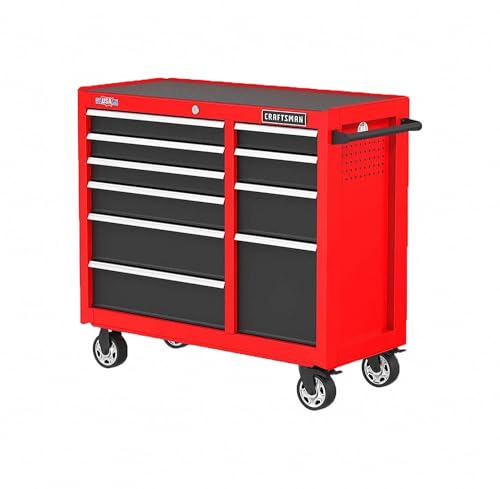
Cleaning your tools after use keeps them in prime condition. Dirt and grime can cause them to deteriorate faster. Use a brush or a cloth to remove any debris. Store your tools in a dry and secure place. Moisture leads to rust, and you don’t want that. A tool box or a wall-mounted rack can be great options for keeping things organized. Labeling spots for each tool in your storage can save time and prevent clutter. Have you ever spent ages searching for a screwdriver? Proper storage helps you find tools quickly and reduces frustration. Incorporating these maintenance and inspection routines can transform your tool usage experience. How do you plan to keep your tools safe and efficient?
Training And Skill Development
Safe use of hand tools begins with understanding basic procedures. Wear protective gear like gloves and goggles to prevent injuries. Regularly inspect tools for damage and ensure they're used for their intended purpose to avoid accidents.
Training and skill development are the cornerstones of safely using hand tools. To handle tools with confidence and precision, you must be well-trained and continuously develop your skills. Understanding the right techniques not only ensures safety but also enhances efficiency and productivity. This section will guide you through essential training and skill development practices to master hand tool usage.
Learning Tool Usage
Getting the hang of using hand tools effectively begins with learning their proper use. Start by familiarizing yourself with different tools and their specific purposes. For example, a screwdriver is not just a tool for driving screws; understanding the different types of screw heads and matching them with the correct screwdriver is crucial. Hands-on experience is invaluable. Practice using each tool in a controlled environment, such as a workshop or garage. This practice builds muscle memory, making your actions more instinctive and reducing the chance of errors. Consider attending workshops or classes. Many community centers and vocational schools offer courses focused on specific tools or general hand tool safety. These classes provide structured learning and expert guidance, which can be incredibly beneficial.
Skill Improvement Techniques
Improving your skills with hand tools is a continuous journey. Set aside time regularly to practice and refine your techniques. Consistent practice leads to better precision and speed, making your work more efficient. Seek feedback from experienced users. If you know someone skilled in using hand tools, ask them to observe your technique and offer constructive advice. This feedback can highlight areas for improvement that you might not notice on your own. Stay updated with new techniques and tools. The world of hand tools is ever-evolving, with new designs and methods emerging regularly. Keeping informed about these developments can enhance your skillset and introduce you to innovative ways of working. Have you ever considered documenting your progress? Keeping a journal of your experiences with different tools can be insightful. It allows you to track improvements and identify recurring challenges, providing a clear path for future learning. How do you feel about your current skill level with hand tools? Identifying your strengths and areas for growth is the first step in becoming proficient and safe in your tool usage.
Emergency Procedures
Handling hand tools safely is crucial to avoid accidents. Knowing emergency procedures can save lives and prevent further injuries. Let's explore how to deal with accidents and the basics of first aid.
Dealing With Accidents
Accidents can happen anytime. Remain calm and assess the situation. Stop using the tool immediately to prevent more harm. Ensure the injured person is safe and comfortable. If necessary, contact emergency services. Provide them with accurate information about the accident. This helps in delivering the right assistance promptly.
First Aid Basics
Knowing basic first aid is essential. It can make a big difference in emergencies. Clean wounds with water to reduce infection risk. Use sterile bandages to cover cuts or scrapes. For deeper injuries, apply pressure to stop bleeding. Keep the injured area elevated if possible. Reassure the injured person and keep them calm. Seek professional medical help for serious injuries.
Frequently Asked Questions
What Are Basic Hand Tool Safety Tips?
Always inspect tools before use for defects. Wear appropriate personal protective equipment. Ensure proper grip and control. Store tools safely after use. Follow manufacturer's instructions for correct usage.
How To Prevent Hand Tool Accidents?
Maintain tools regularly to ensure they are in good condition. Use the right tool for the task. Avoid distractions and focus on the job. Keep work areas clean and organized.
Why Is Ppe Important With Hand Tools?
Personal Protective Equipment (PPE) shields against injuries. It protects eyes, hands, and face from flying debris. PPE reduces risks when handling sharp or heavy tools.
How To Store Hand Tools Safely?
Organize tools in a dedicated storage area. Use racks or pegboards for easy access. Keep tools dry and clean. Secure sharp tools to prevent accidents.
Conclusion
Hand tools are essential for many tasks, but safety matters most. Use the right tool for each job. Inspect tools before every use. Wear protective gear to avoid injuries. Keep your workspace tidy and organized. Follow manufacturer guidelines for safe use.
Training helps in understanding tools better. Share safety tips with your team. Awareness reduces accidents and keeps everyone safe. Practice safety daily for a secure working environment. Remember, safety ensures efficiency and productivity. Prioritize safety every time you pick up a hand tool.
Stay safe, and work smart!